January 2026
-
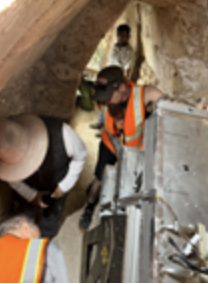
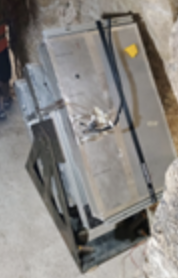
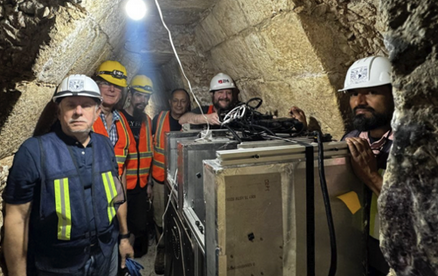
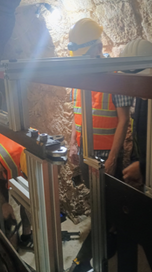
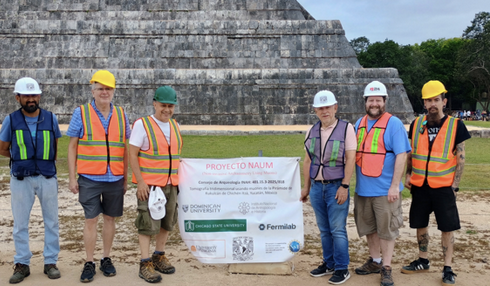
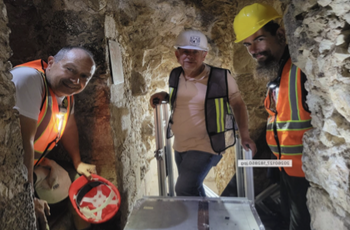
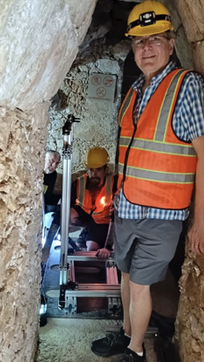
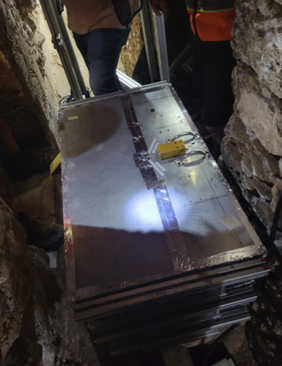
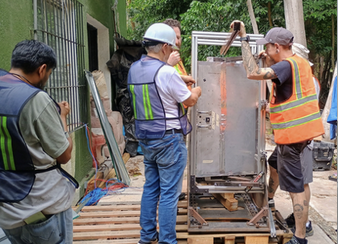
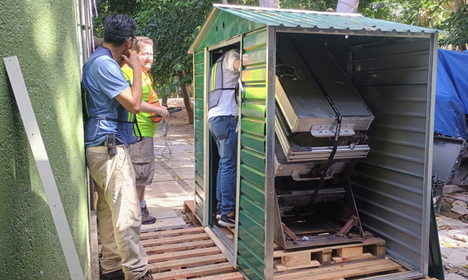
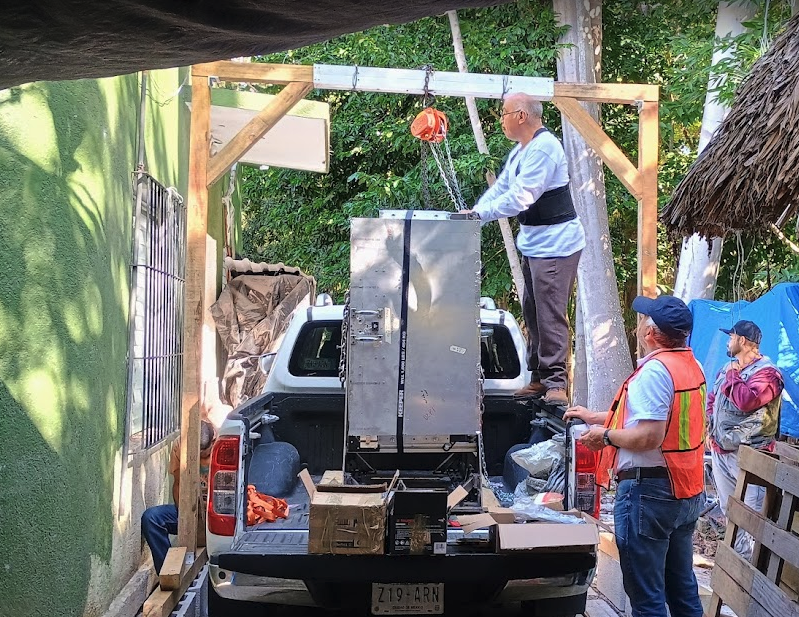
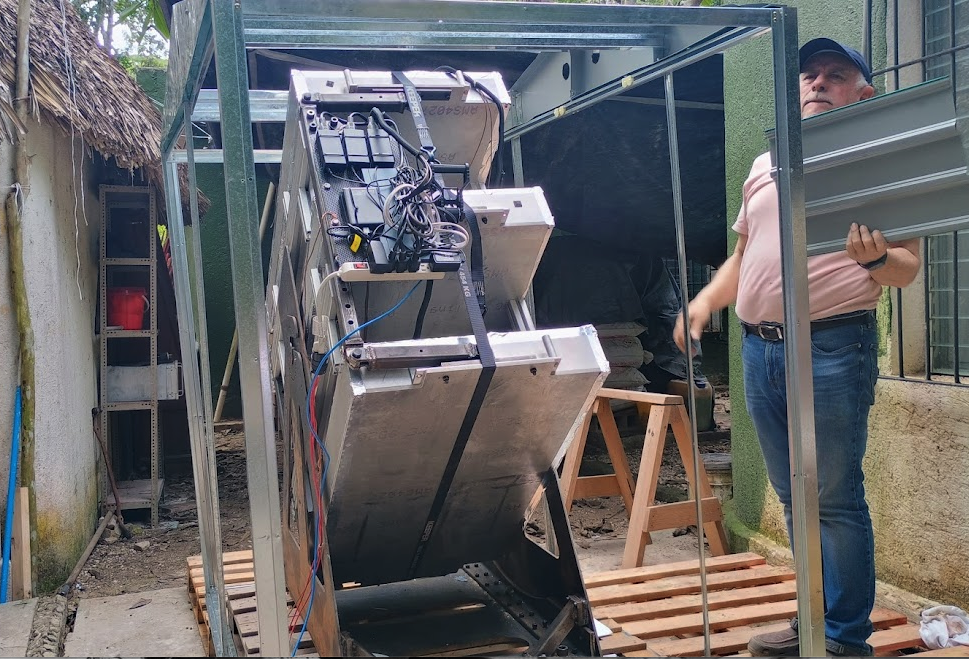
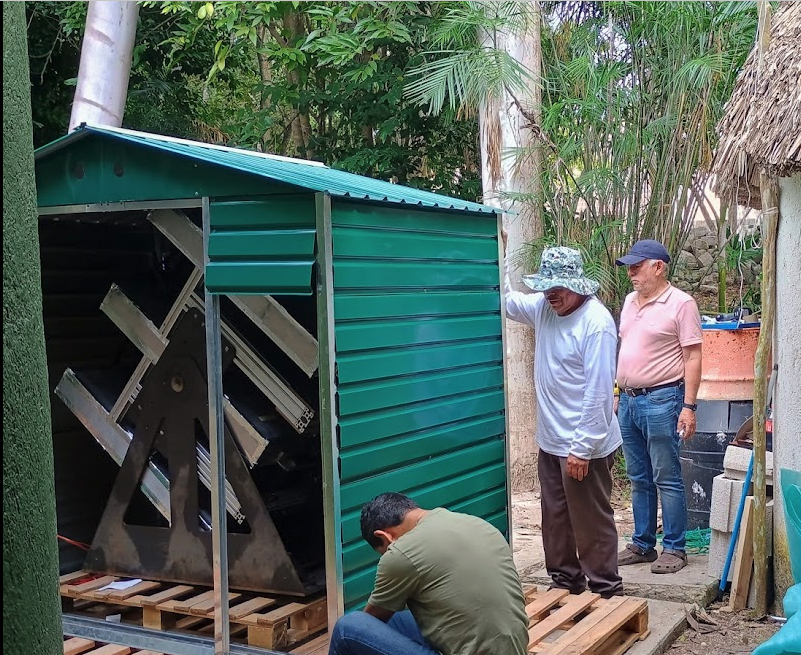
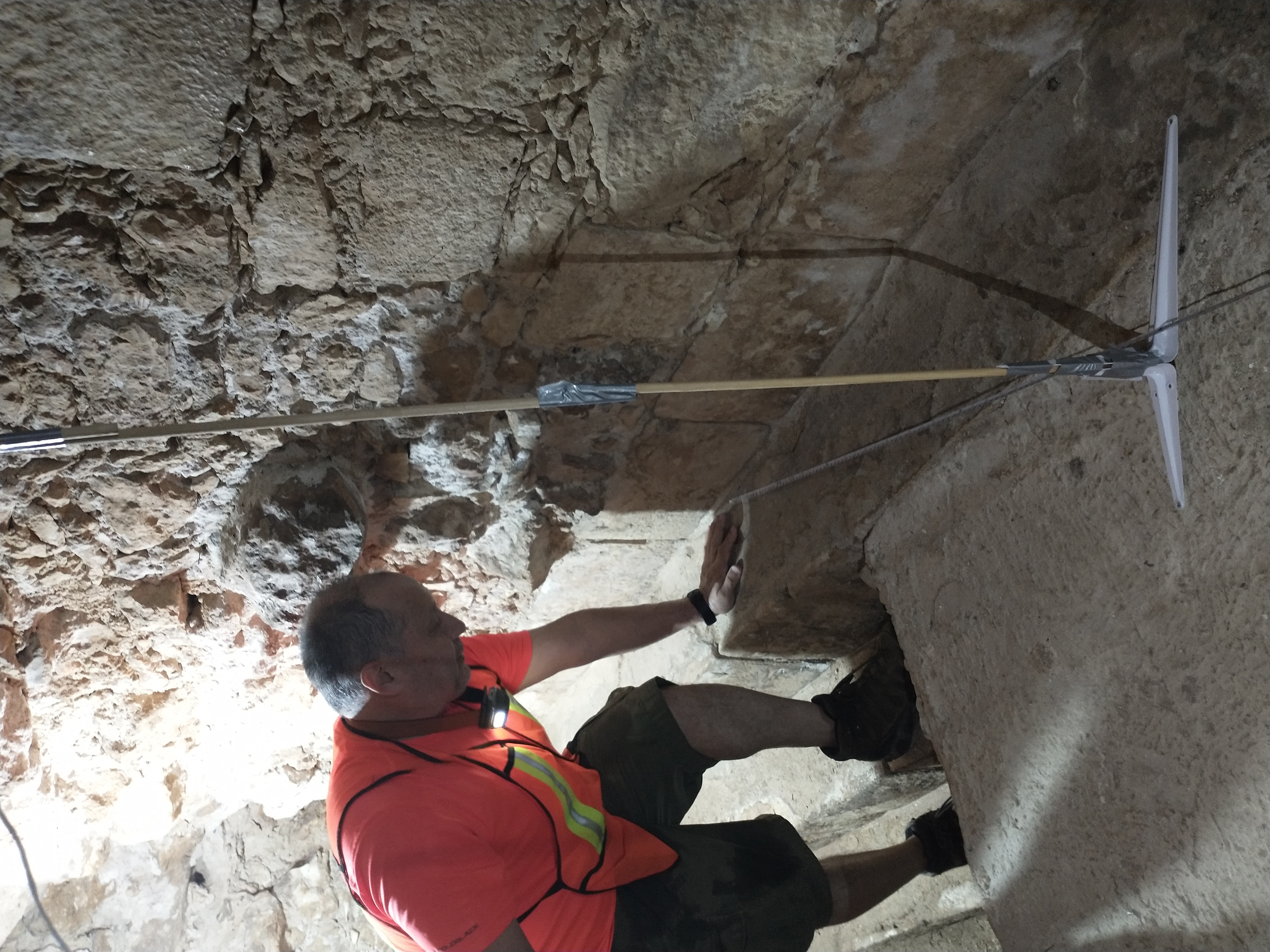
On the 27th, we assembled the detector in the tunnel and began taking data. Marking a pivotal milestone for the NAUM project.
-
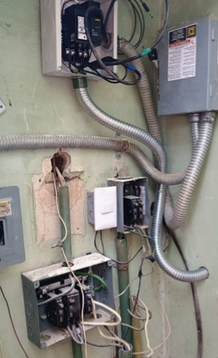
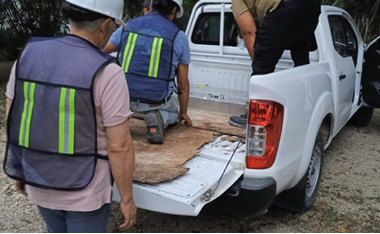
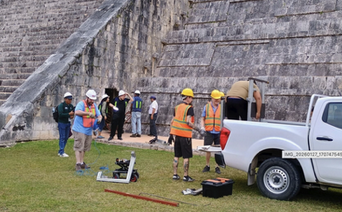
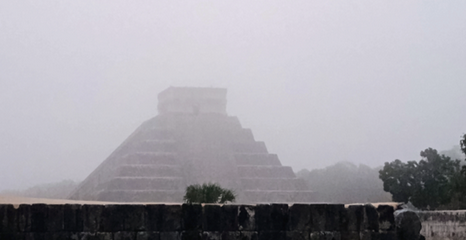
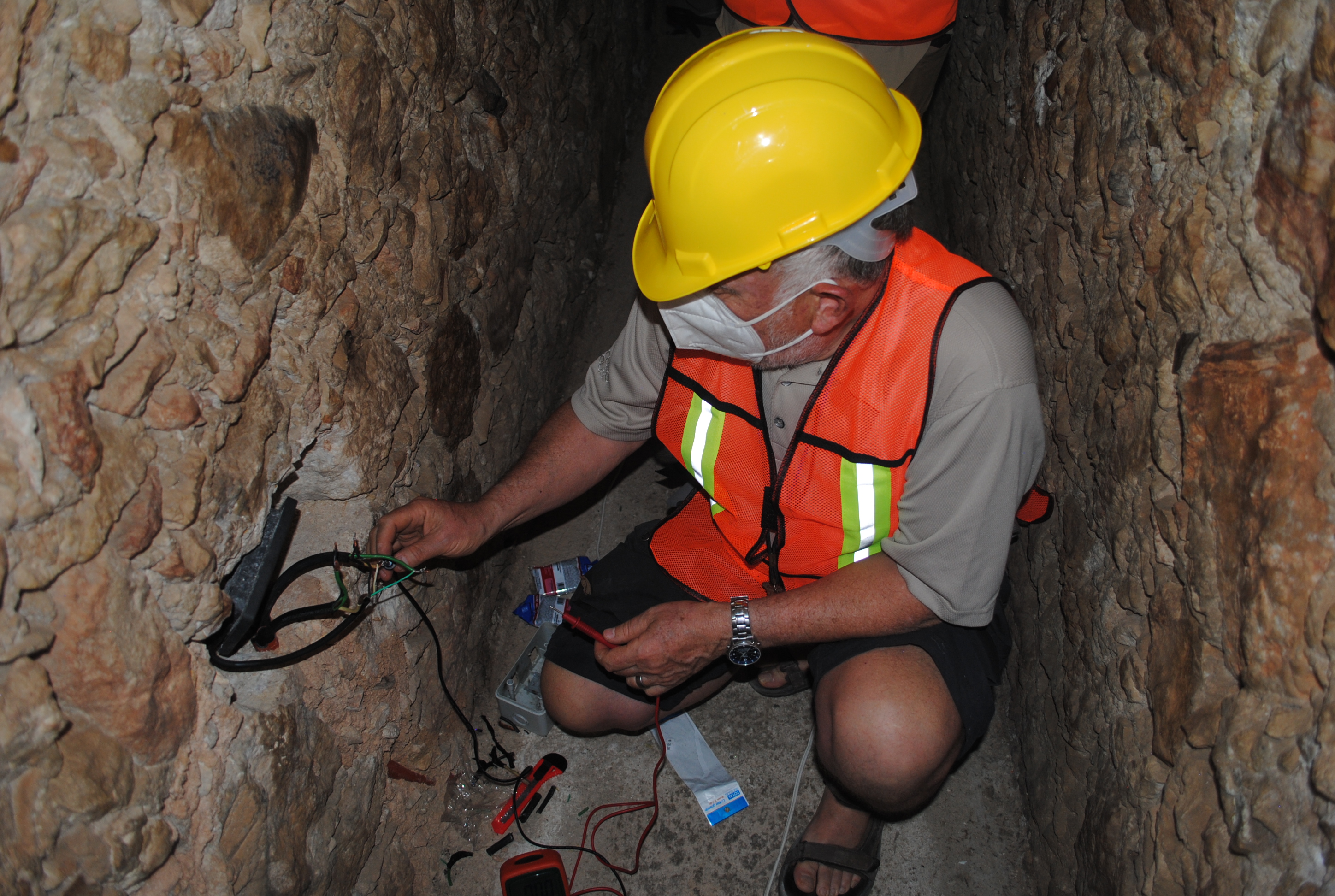
During the day, Arturo and Saul worked on the electrical installation. On the evening of January 26th, we moved the detector parts and the pyramid.
-
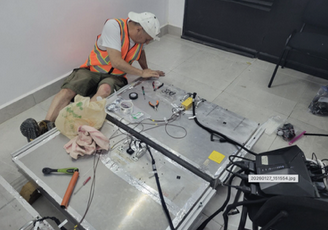
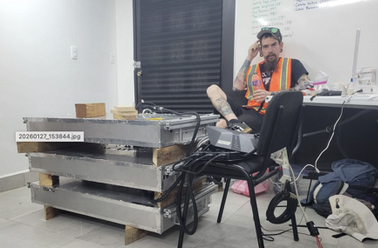
On January 25th, the rest of the team arrived (Mark and David). Analysis of the night and early run data indicated issues with the DAQ, so we dismantled and moved the detectors to an air-conditioned room. We again tried to find the issue with the DAQ. After some tests that seemed to solve the problem, we decided to seal the panels to transport the detectors to the pyramid the following day.
-
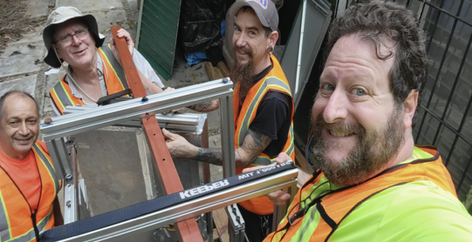
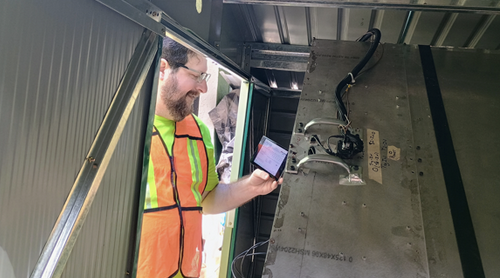
Part of the NAUM arrived at the archeological site on January 24 (Arturo, Saul, Joe, and Arturo). We open the panels, review all connections, and replace some cables. At the end of that day, we left the detector collecting data at 40 degrees and returned early the next morning to rotate it to 0 degrees (all panels facing upward).
December 2025
-
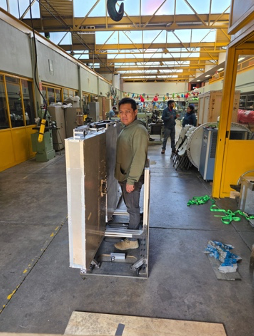
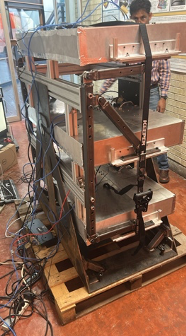
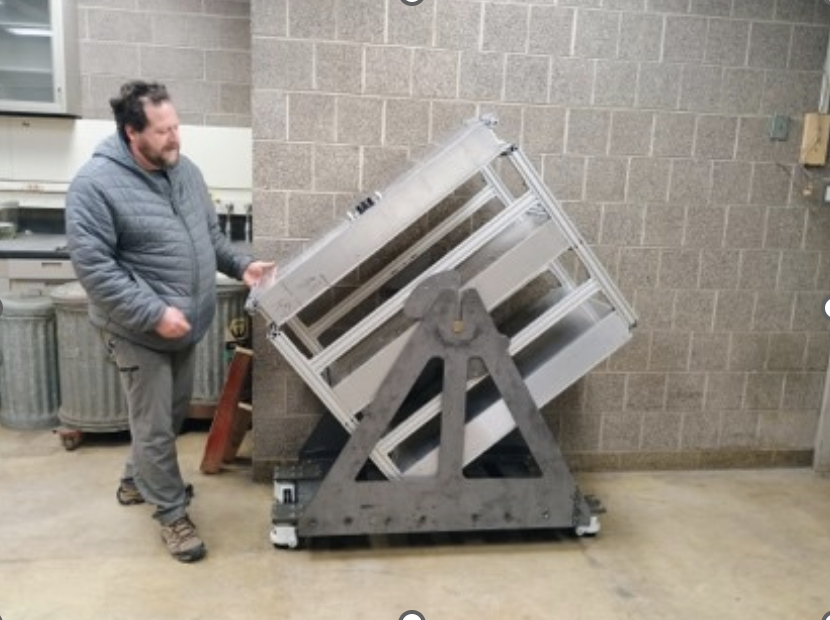
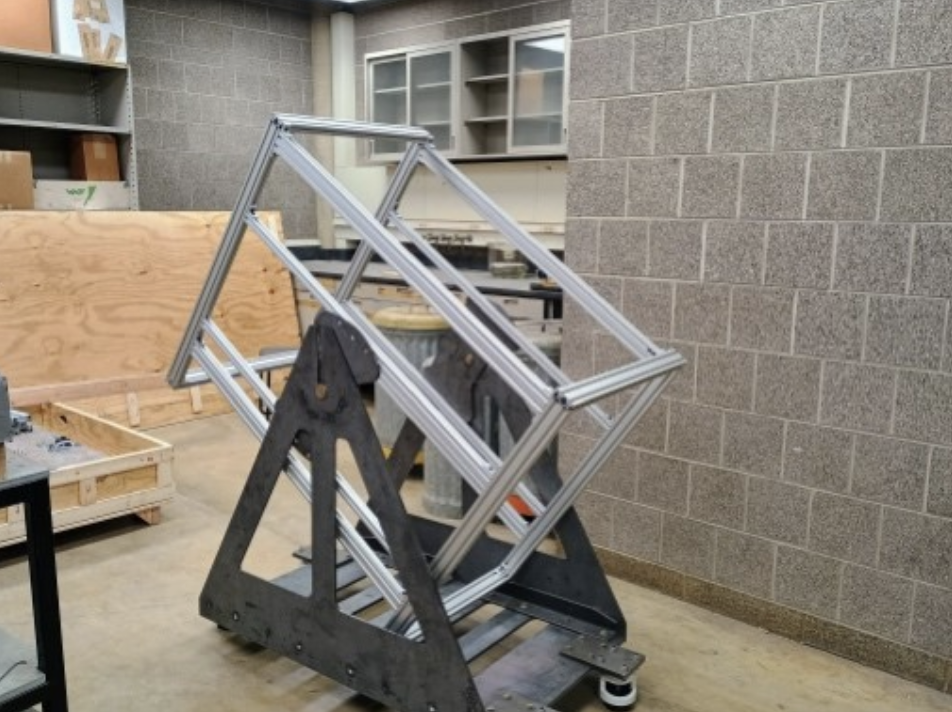
Mechanical structures finished and successfully tested at IF-UNAM.
-
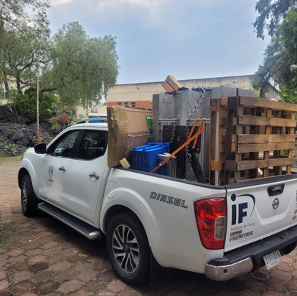
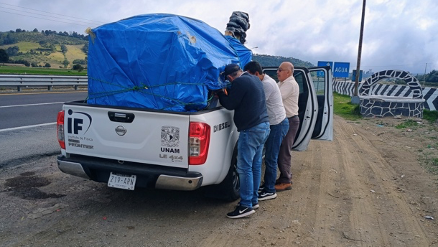
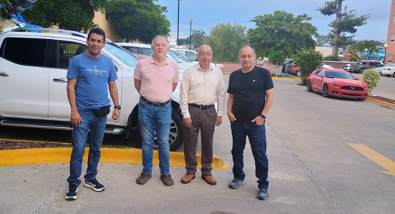
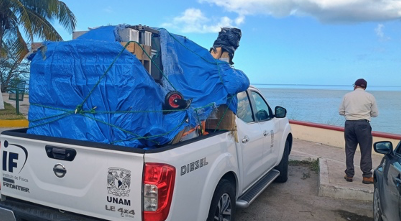
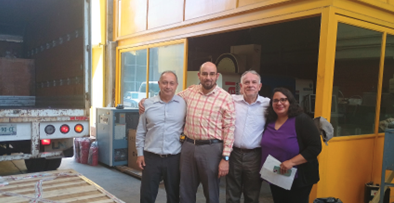
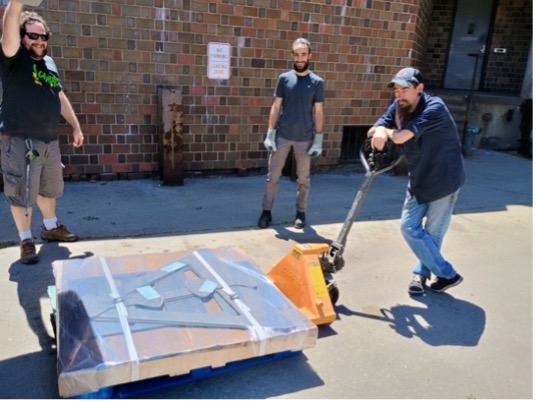
On December 15th, Arturo, Gerardo, Don Donisio, and Edmundo transported the detector to Chichen-Itza, driving two days through southeast Mexico, arriving to the archaeological site on December 17th.
-
The detector was installed on-site, but outside the pyramid, to test the internet communications and to take baseline data.
-
We were successfully running and transmitting data to Chicago on December 18th.
October 2025
-
Works continues at IF-UNAM.
-
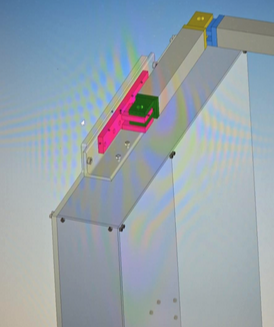
In the US we are closing to the running configuration so it is tested and ready to be deployed when we move the detectors to Chichen Itza.
September 2025
-
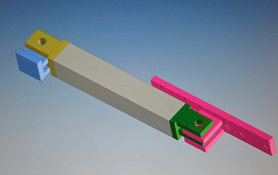
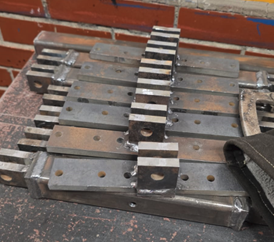
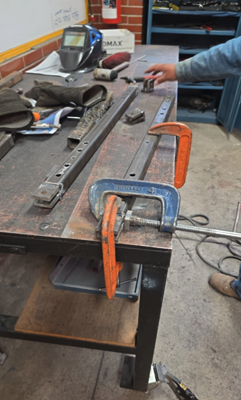
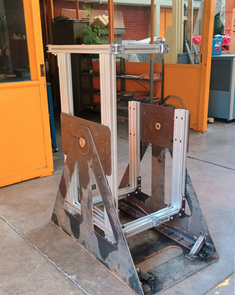
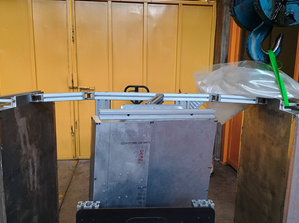
First test of mechanical structures took place.
-
Some modifications are needed to improve the mechanical stability.
August 2025
-
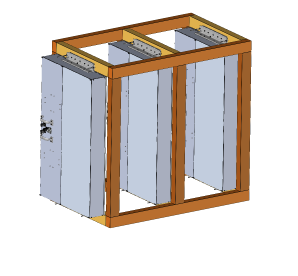
The mechanical structures for Detector 1 are being built at IF-UNAM.
-
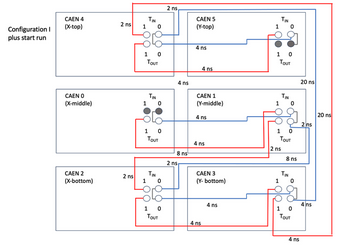
In the US we are optimizing the data acquisition system and trigger configuration with Detector 2 and modifying accordingly the Detector 1 in Mexico.
June - July 2025
-
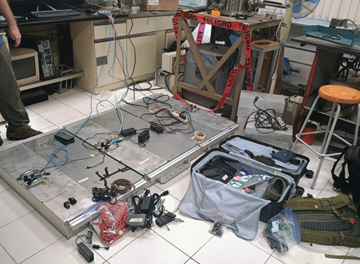
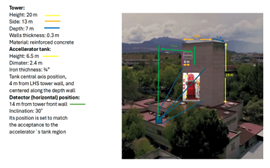
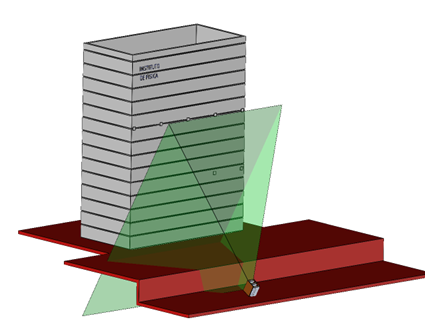
Detector 1 van Der Graff Test. The objective was a field test of the panels, trying to discern the van der Graff accelerator structure inside a building in the IF-UNAM.
-
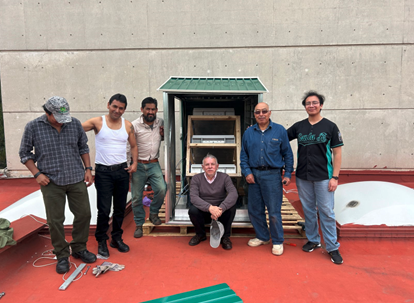
The Detector 1 ran for one month, accumulating valuable experiences and data that we are analyzing.
May 2025
-
INAH execution plan approved.
-
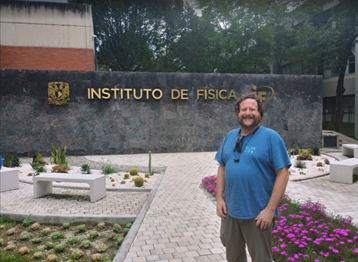
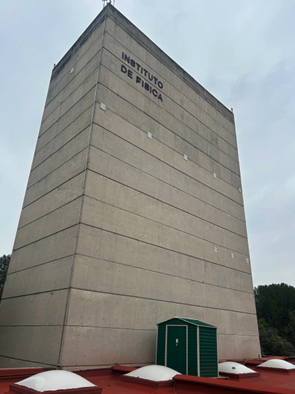
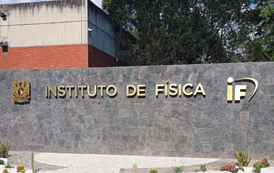
Panels for the Detector 1 arrived to Mexico, at UNAM’s Instituto de Fisica (IFUNAM) where were they were tested successfully.
April 2025
-
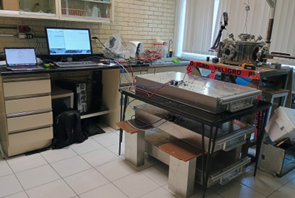
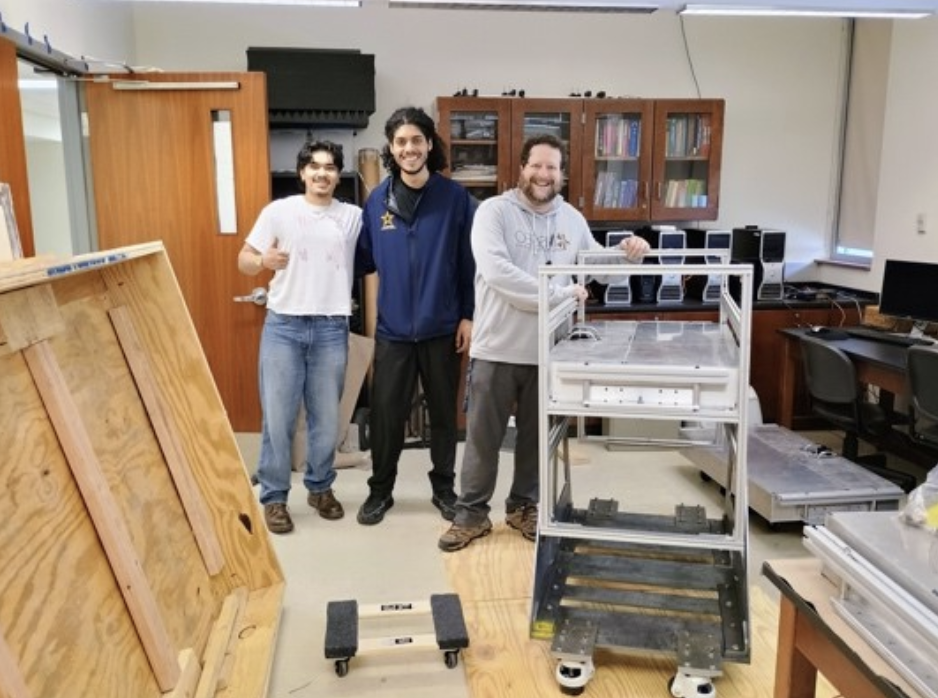
Detector 2 was completely assembled at UIC and transported to Dominican University.
-
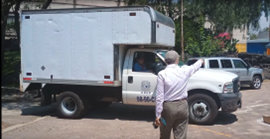
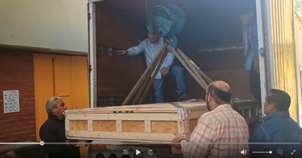
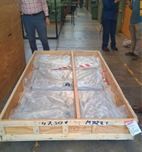
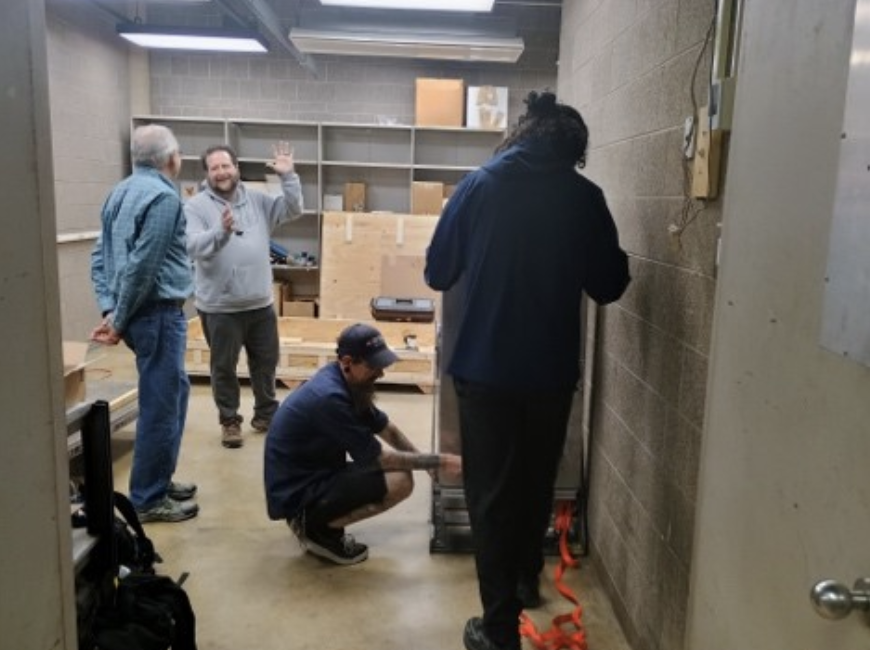
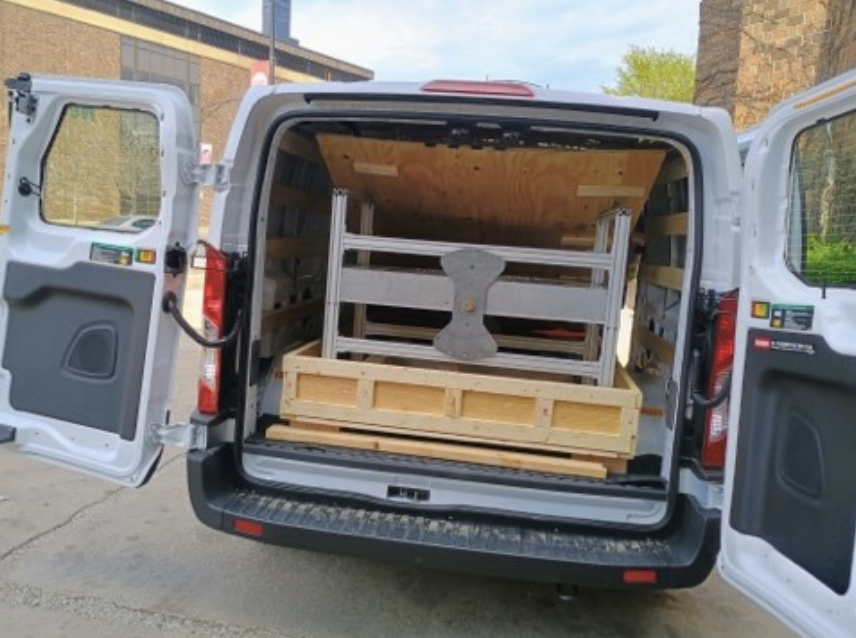
Detector 1 transported to UNAM (Mexico).
March 2025
-
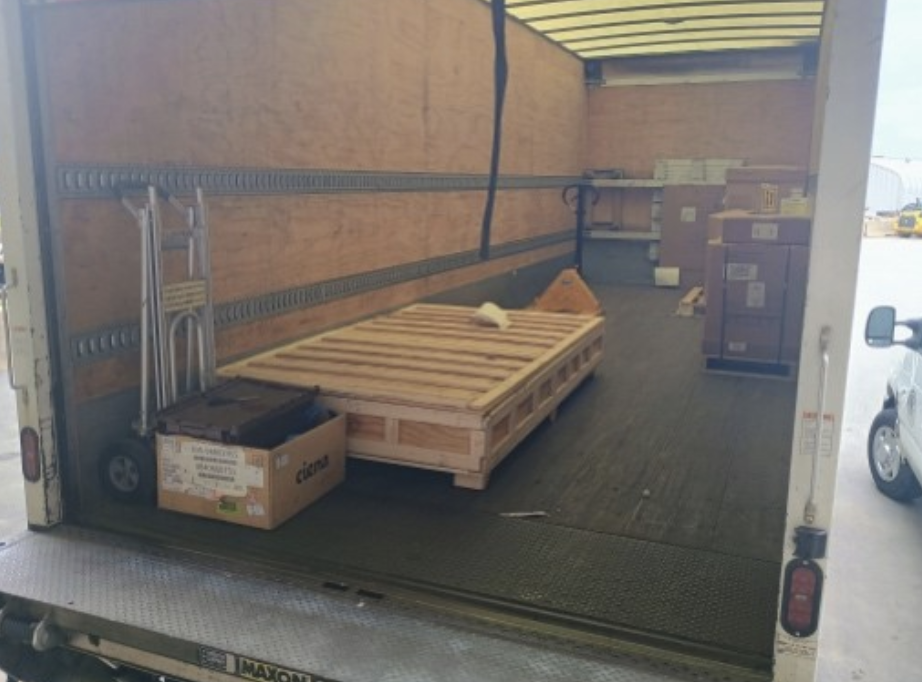
Moved the panels of Detector 1 from Dominican to CSU for shipping to Mexico.
-
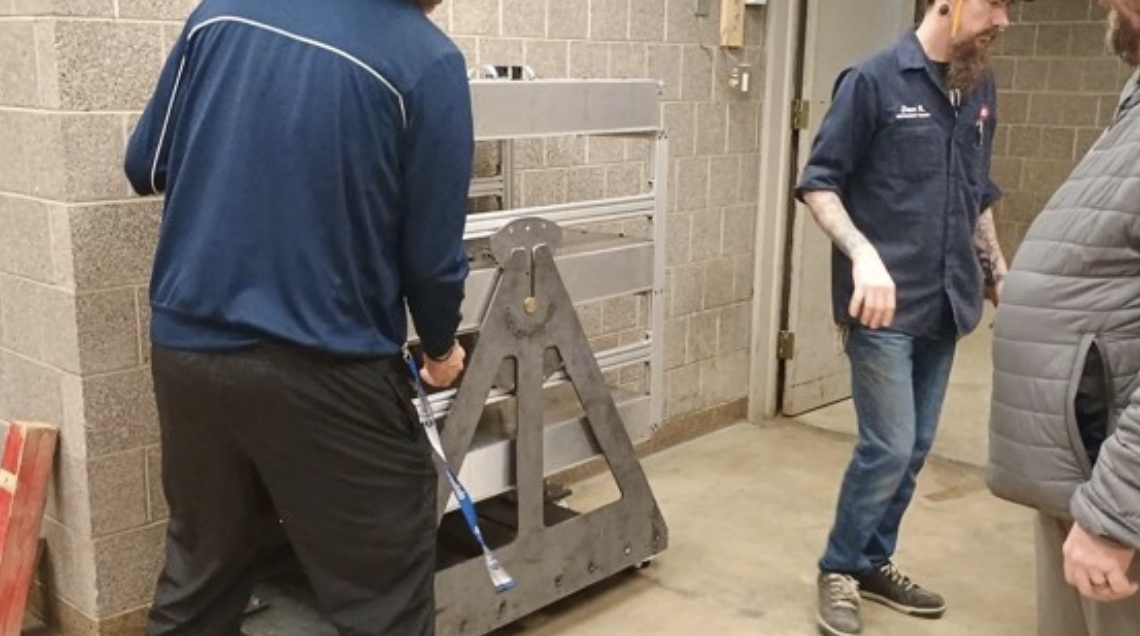
Mechanical structures for Detector 2 finished at UIC.
January 2025
-
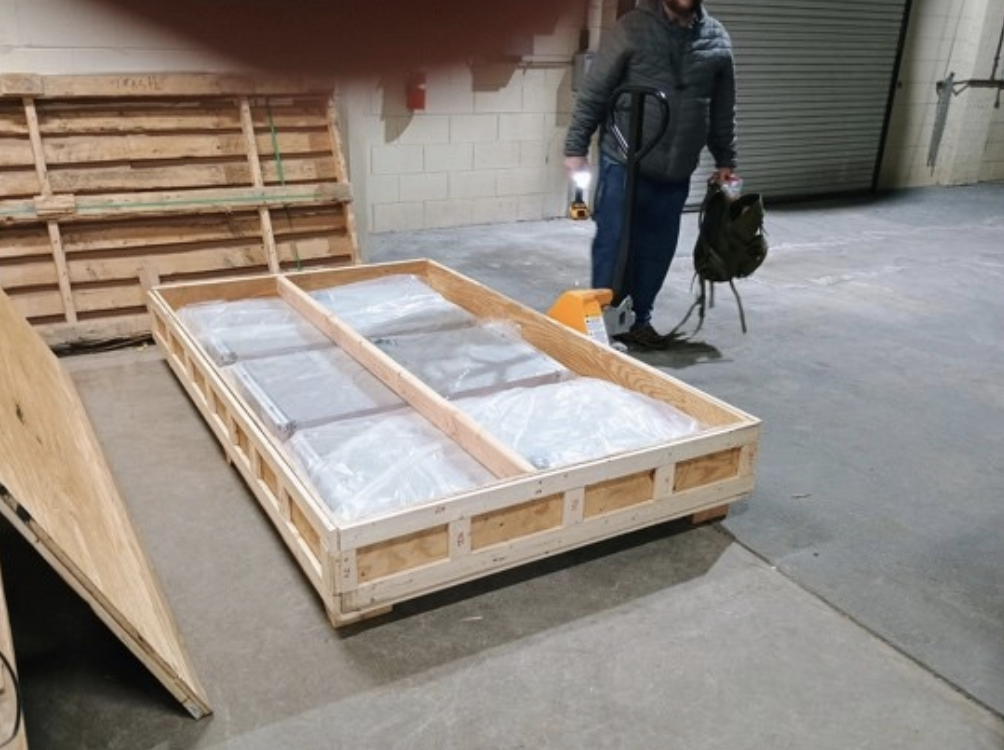
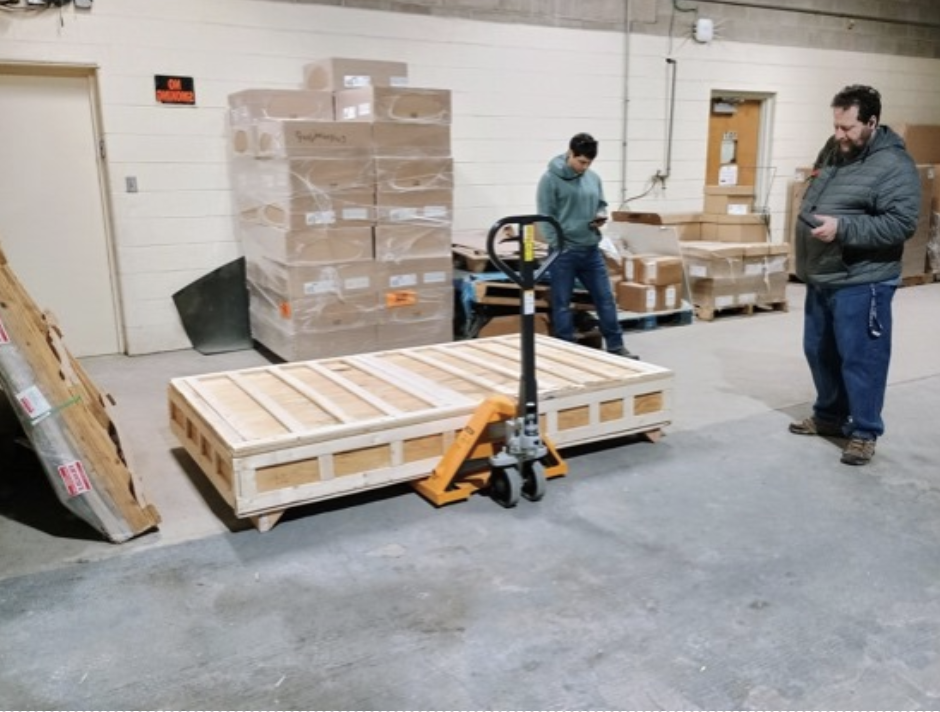
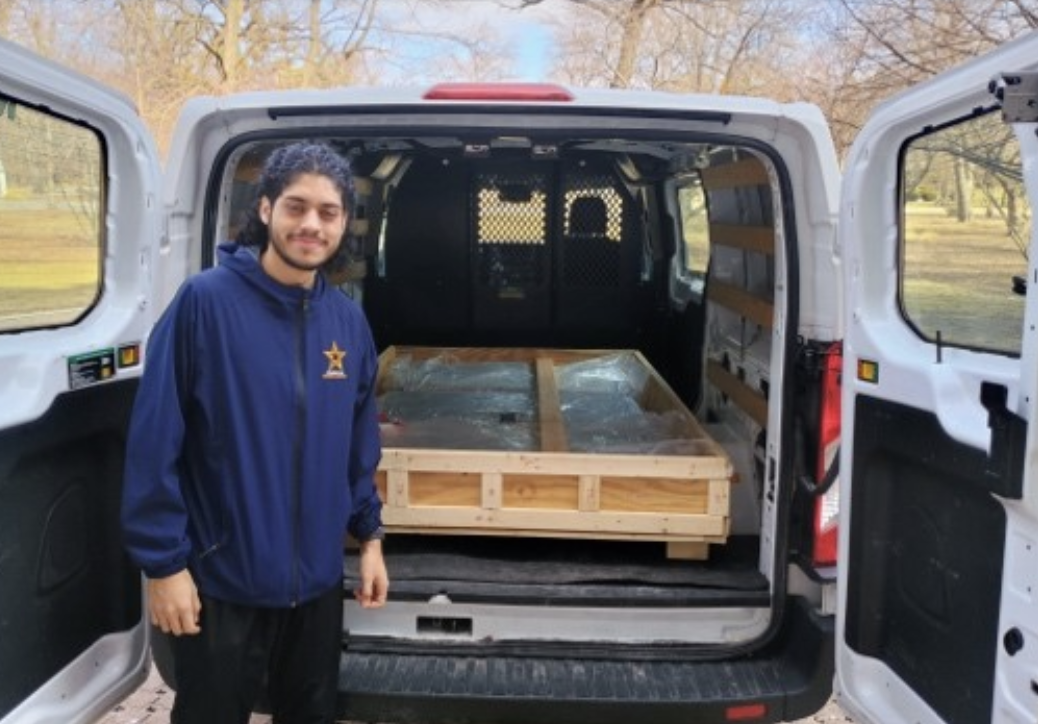
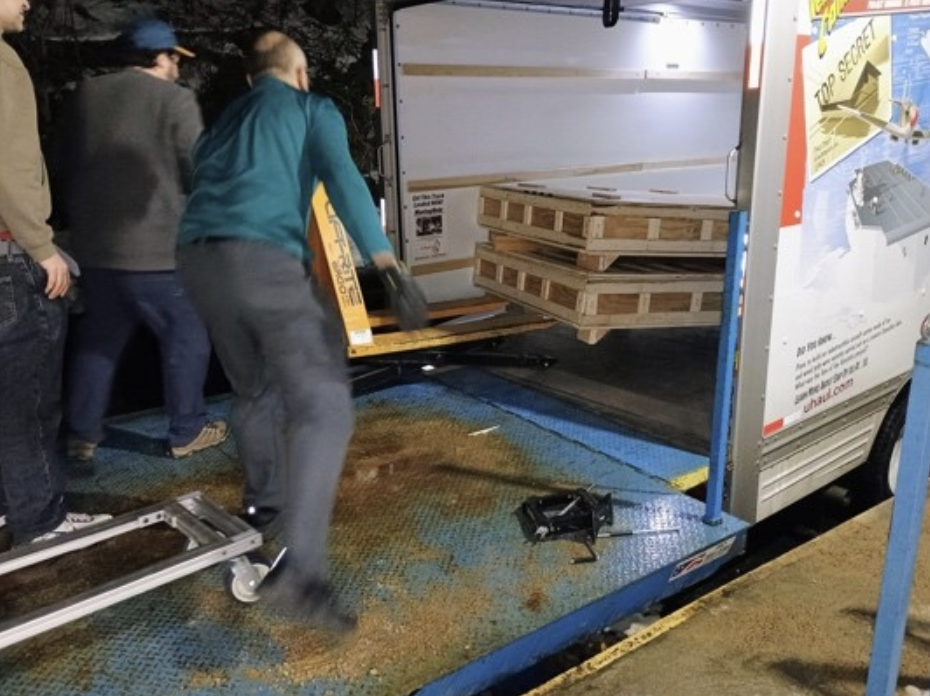
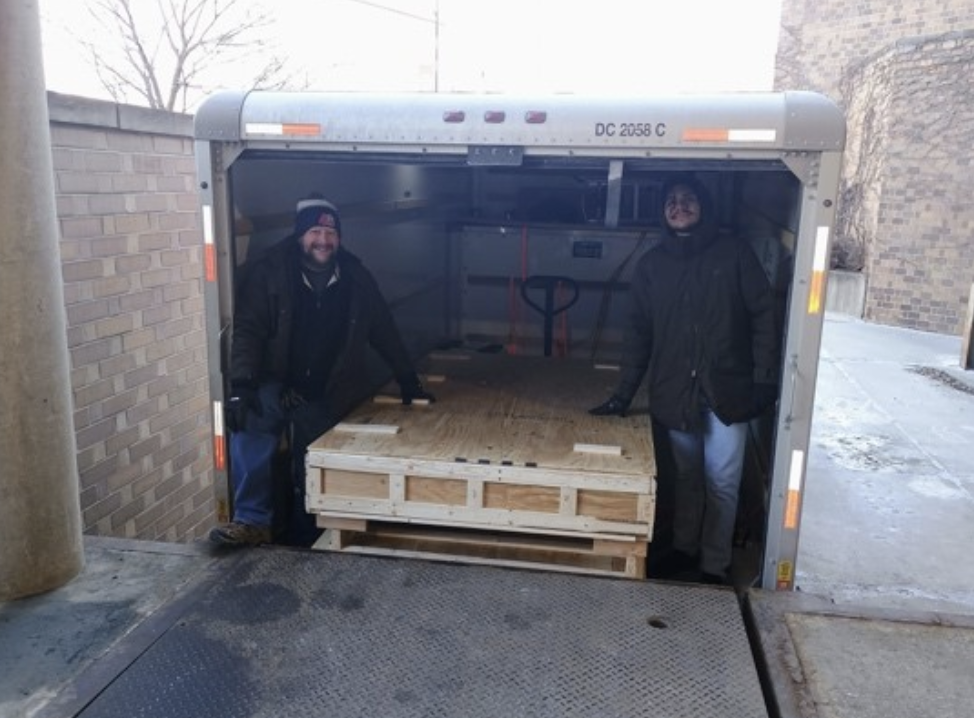
The panels were packed and transported from the University of Virginia to the University of Illinois at Chicago (for Detector 2) and Dominican University (for Detector 1).
-
Quads were tested at Dominican University for Detector 1, while the mechanical structures were built at UIC for Detector 2.

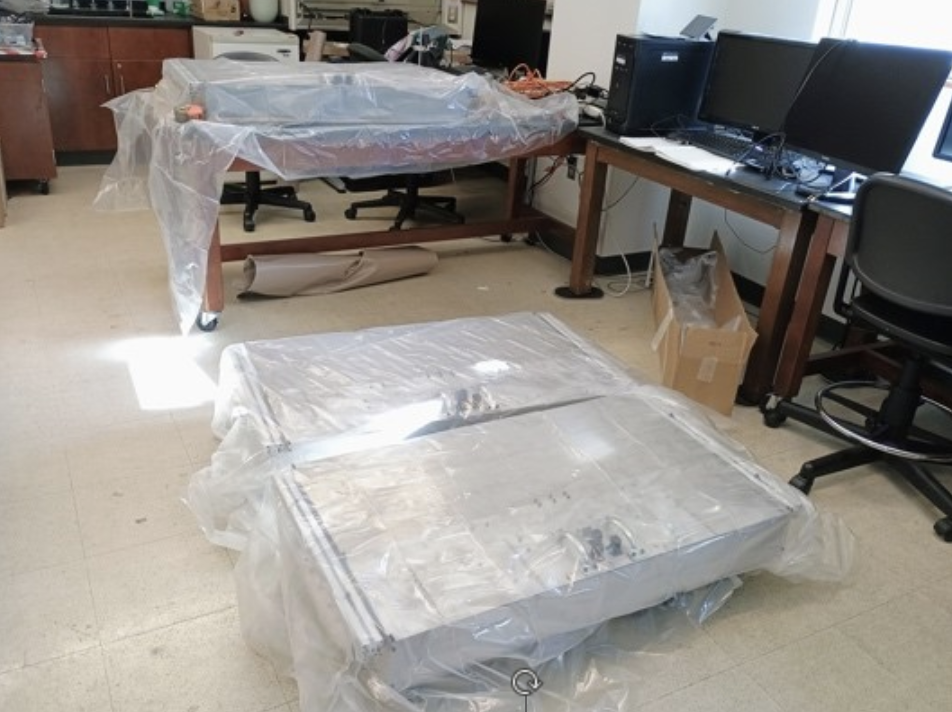
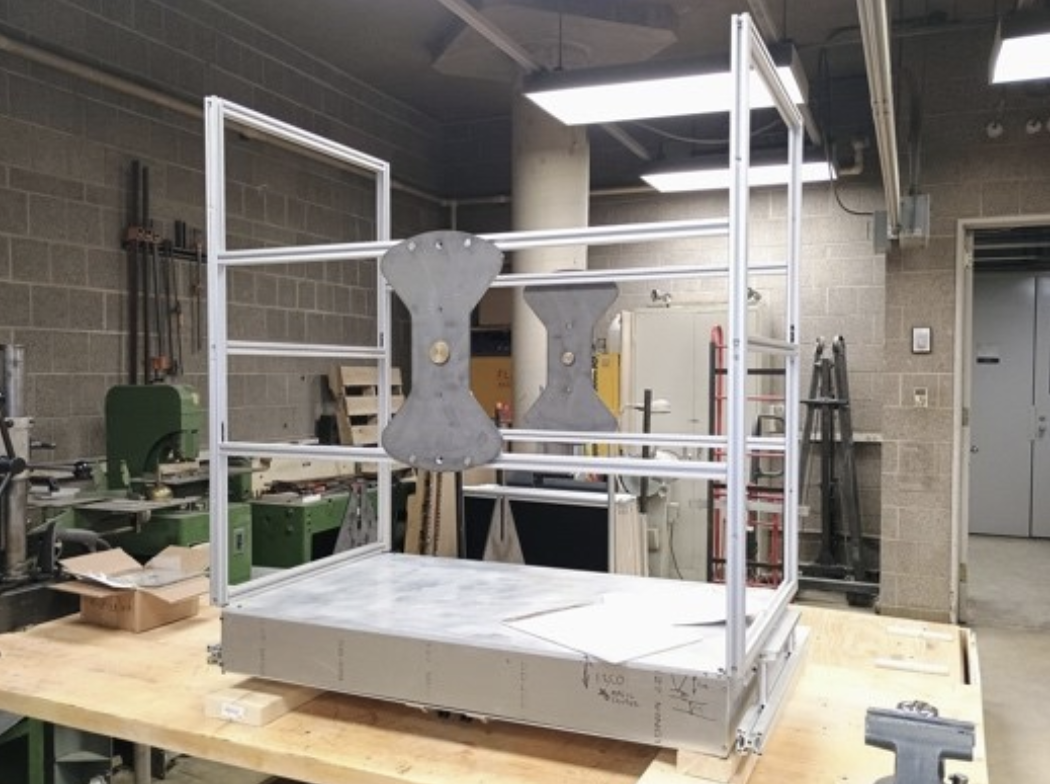
December 2024 and January 2025
-
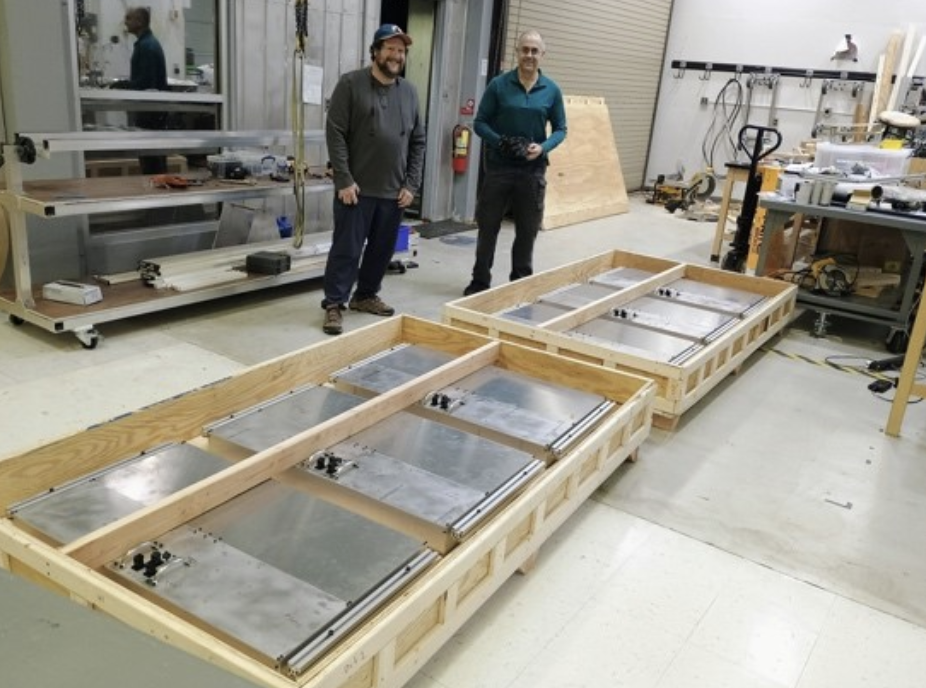
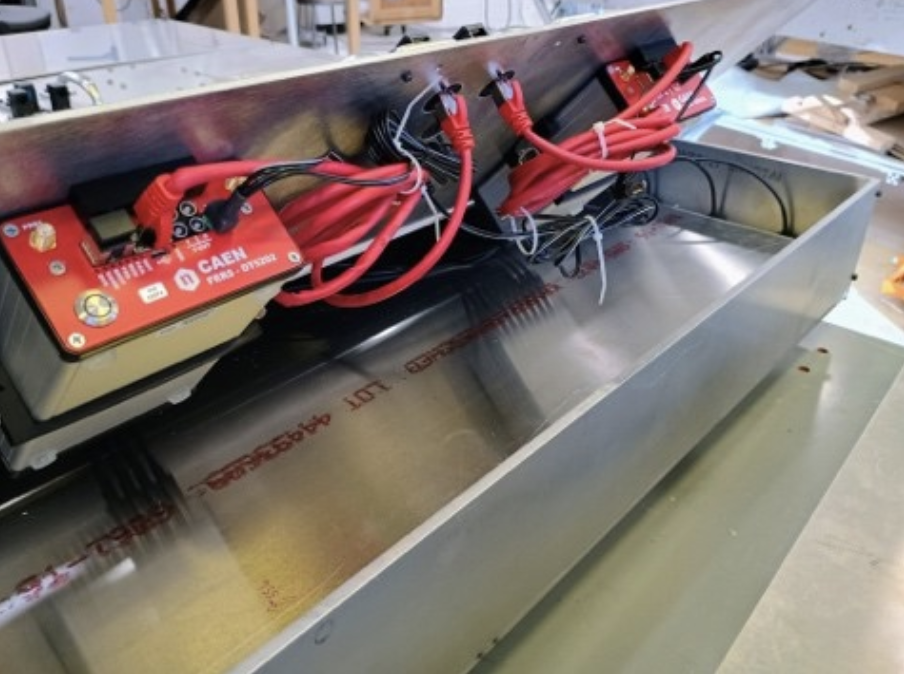
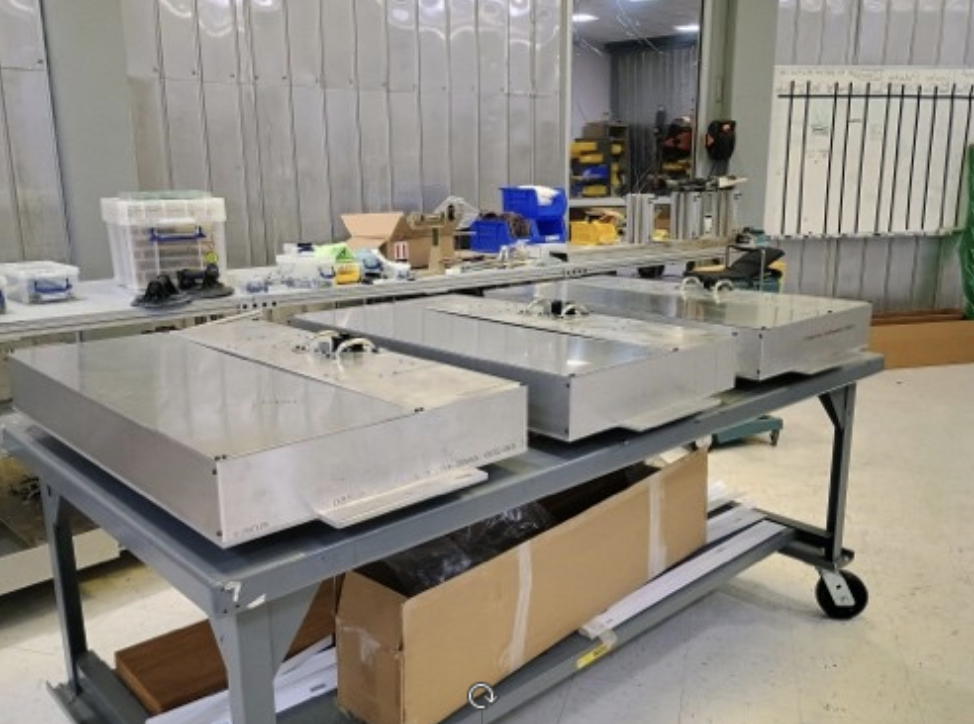
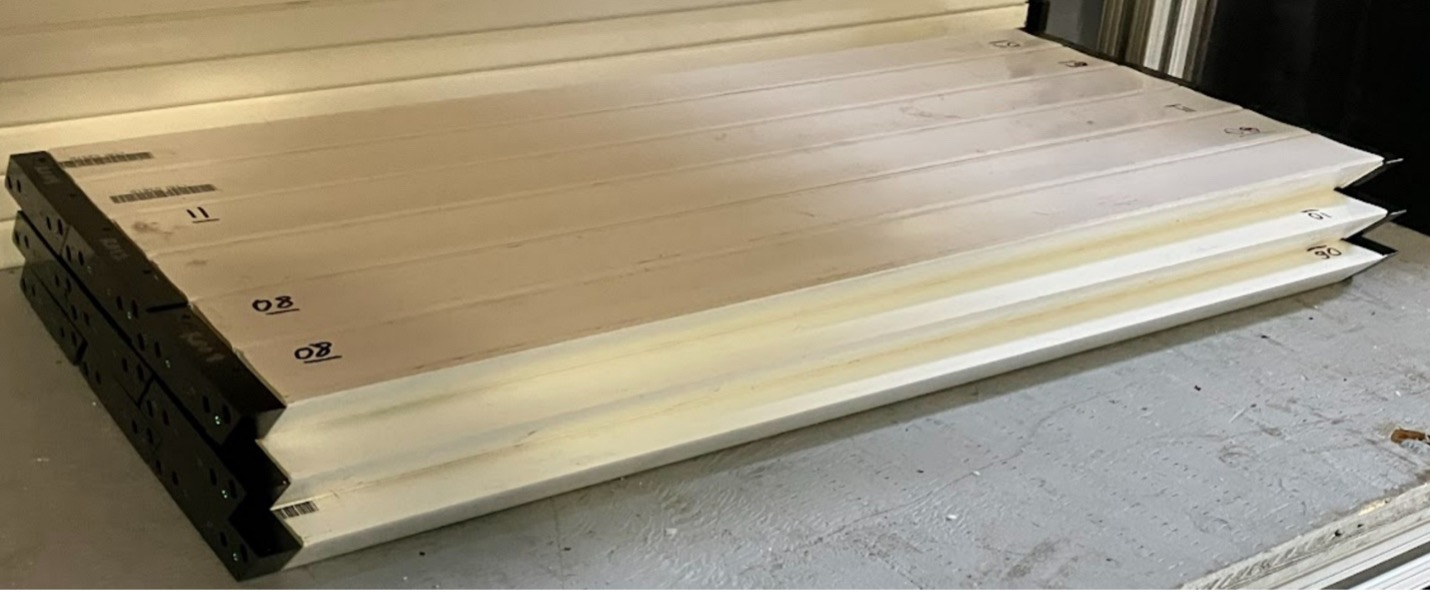
The six panels for the two NAUM detectors were assembled.
-
The quads were glued to the backplanes of the panels.
-
The panels were assembled, cabled and the quads were tested again with the CS source.


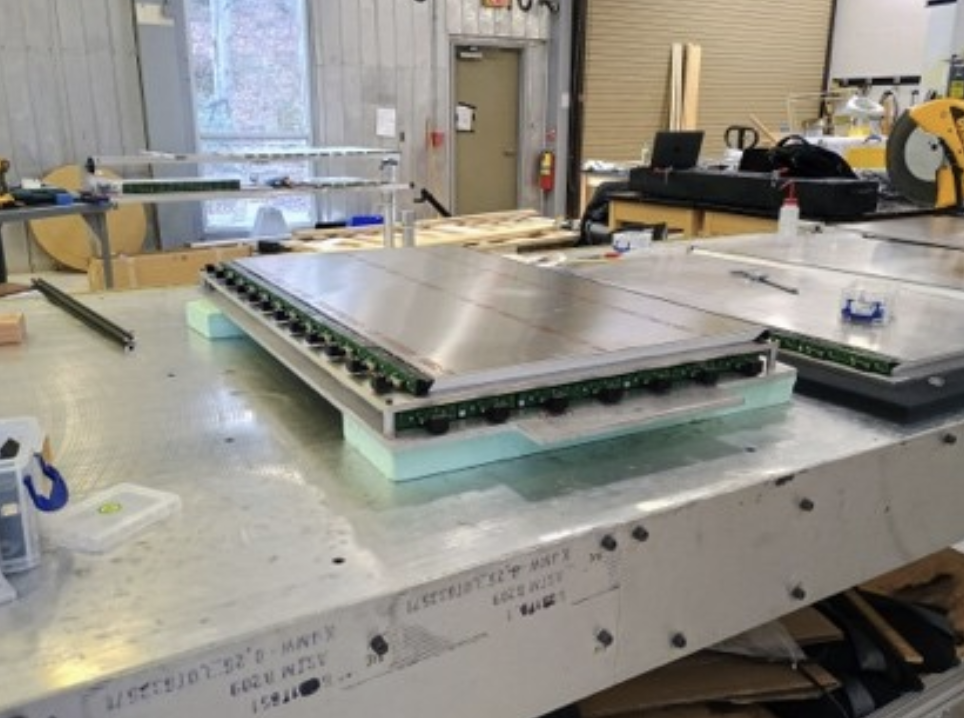
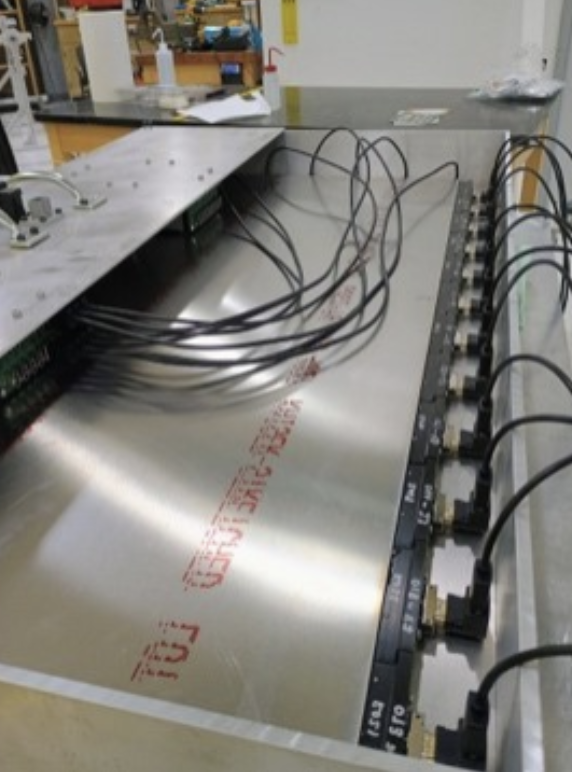
October 2024
-
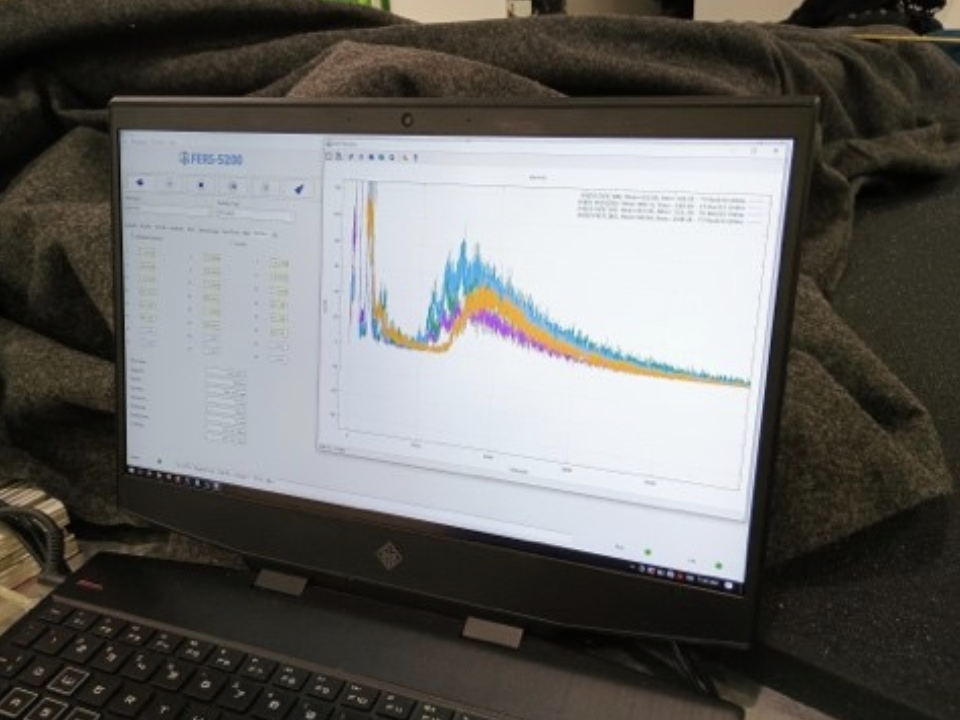
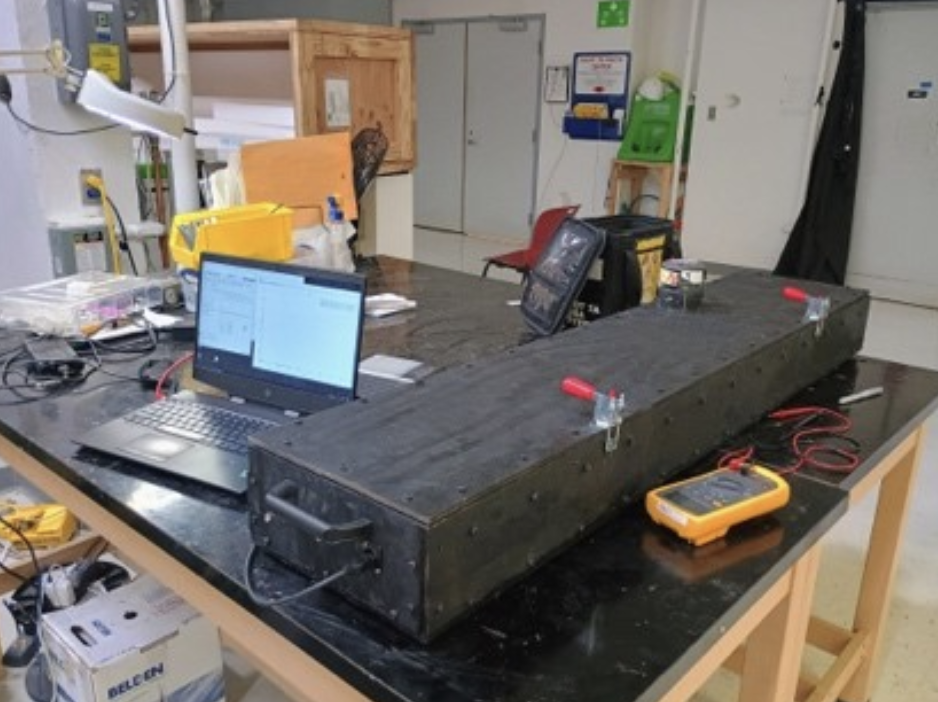
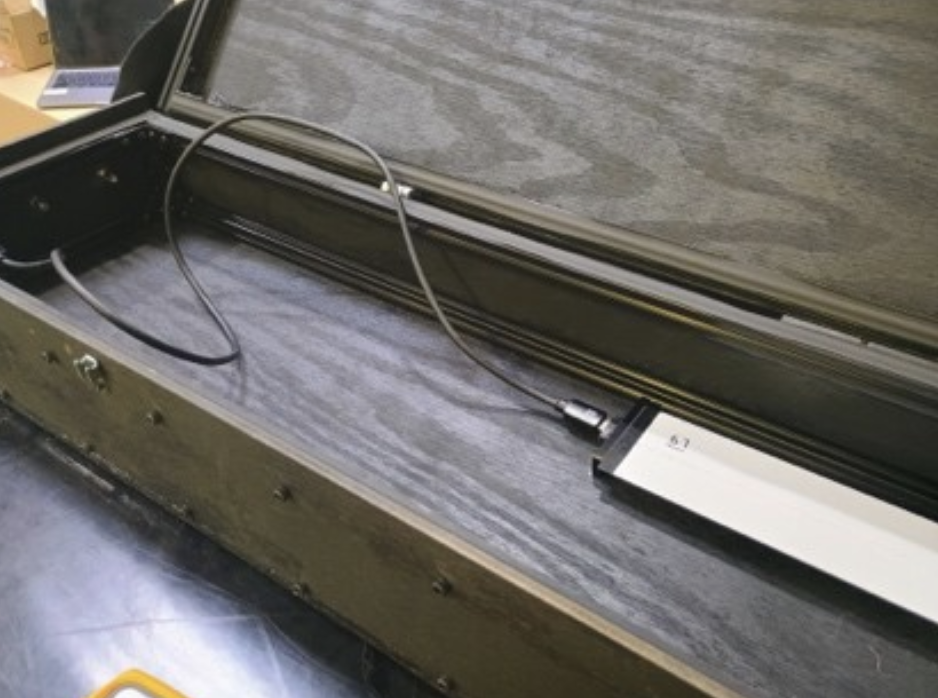
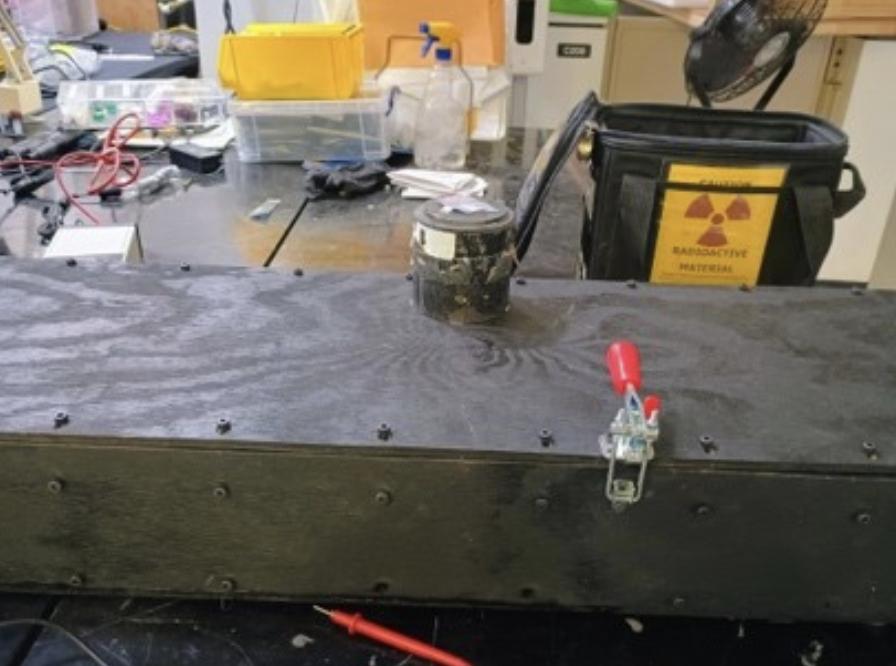
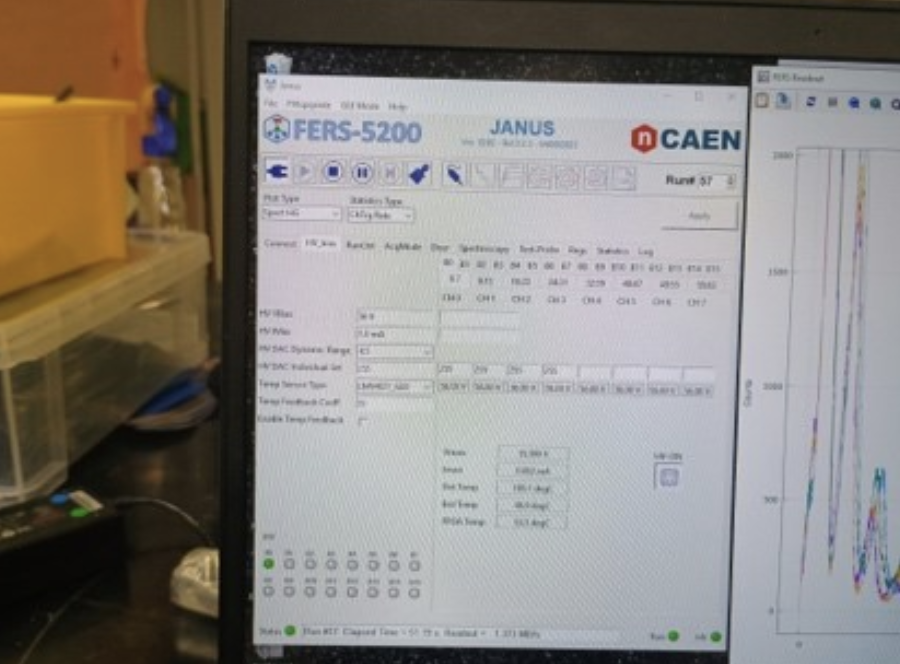
All the quad modules were tested at UVA using the Data Acquisition System of the detector (Silicon Photo Multipliers + Counting Mother Boards + CAEN Front end Boards (FEB) – that provide power to the SiPMs and digitize the signal from the CMBs).
-
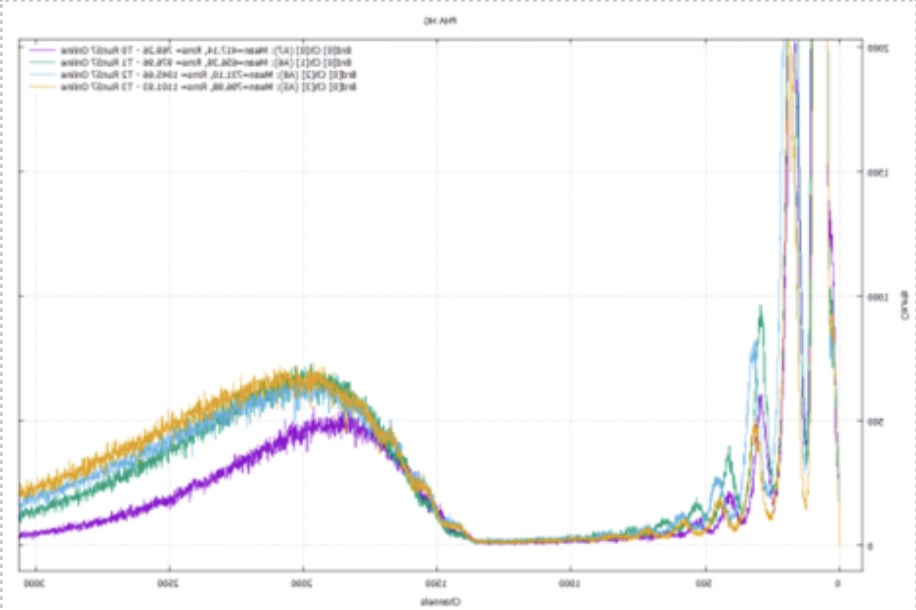
A 1 mCi Cs-137 source was used for the test. The benchmark was the gamma-ray spectra produced for each quad channel. All spectra were recorded.
-
A few channels had imperfections (fiber cracked) close to the CMB. We were able to swap the SiPMs to the other end of the scintillators for these channels.
-
At the end, all channels worked properly.
August 2024
-
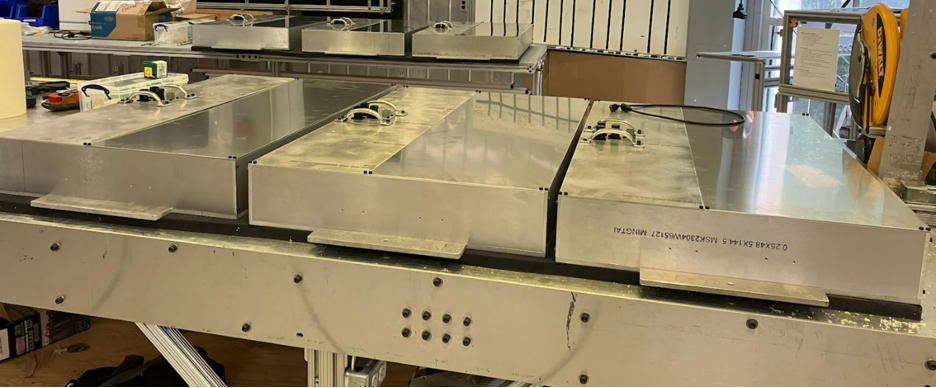
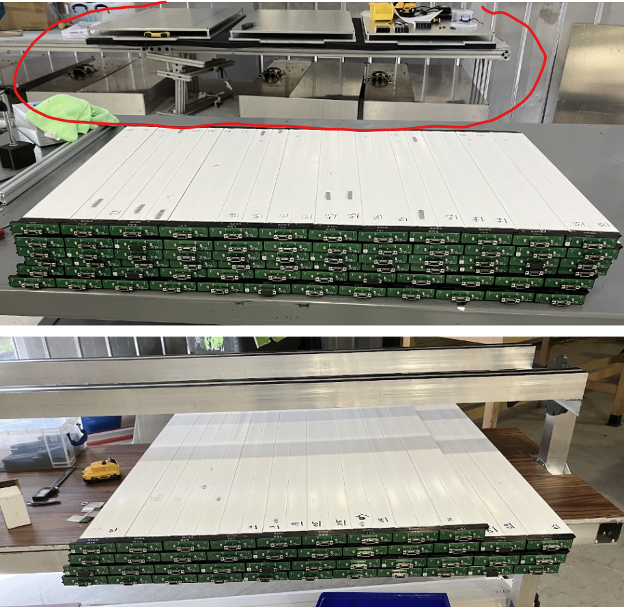
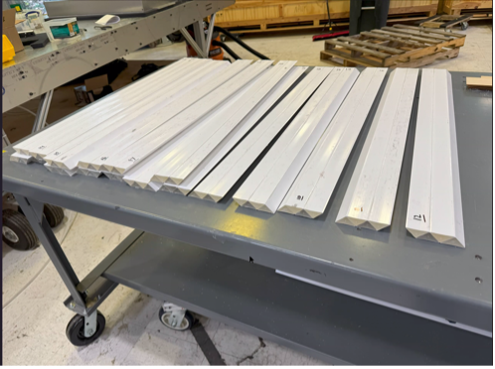
Quad modules are being assembled into detector planes at UVA. Boxes to hold planes have been constructed.
-
Dominican U. developed a Quad testing procedure and provided remote access to their test stand.
-
Construction of a second detector stand continues at CSU and UIC.
-
QuarkNet summer interns at Fermilab fixed several issues in the 3D event displays: controlling the detector positions in the pyramid model; and allowing collaborators to rotate the detector model in any direction. The website was tested using 100 simulated events.
July 2024
-
Quad module extrusions construction at UVA is complete. Quad counters have 4 scintillator strips mechanically packaged, photo detectors and some electronics installed. Boxes to hold planes have been constructed. Jigs to hold planes while Quads are glued to them as well as accessories to help in Quad assembly have been constructed.
-
Dominican U. developed a Quad testing procedure using CAEN readout including a source test.
-
Design of a second detector stand continues at CSU and UIC.
-
Communication with the computer in the pyramid lasted several months until interrupted by an area-wide internet shutdown. The router had to be manually reset to reestablish communication.
-
QuarkNet summer interns at Fermilab are modifying the event displays to improve interpolation between neighboring triangular extrusions. Corrections to signal sharing based on track angles with respect to planes are being implemented.
May 2024
-
Dominican U. – developing Quad testing procedure using CAEN readout. Will BE USED TO verify Quad functioning before being assembled and glued into planes. Next – test electronics in humidity and temperature extremes, as well as for heat dissipation.
-
Quad modules under construction at UVA. Quads have 4 scintillator strips mechanically packaged, photo detectors and some electronics installed.
-
Lost signal from the computer inside pyramid. Internet was lost in the region after flooding. WIFI and computer look OK. Must reboot modem that is an odd state.
January - April 2024
-
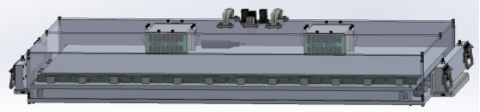
For redundancy and contingency in case one detector gets damaged during shipment we decided to construct two identical detectors instead of a large one for the alcove.
-
Designs of boxes to hold detector plates completed.
-
Second simpler support stand designed for detector 2 (to be sited in the alcove) will be constructed at UIC.
-
Computer left at Chichen Itza has been live for several months.
-
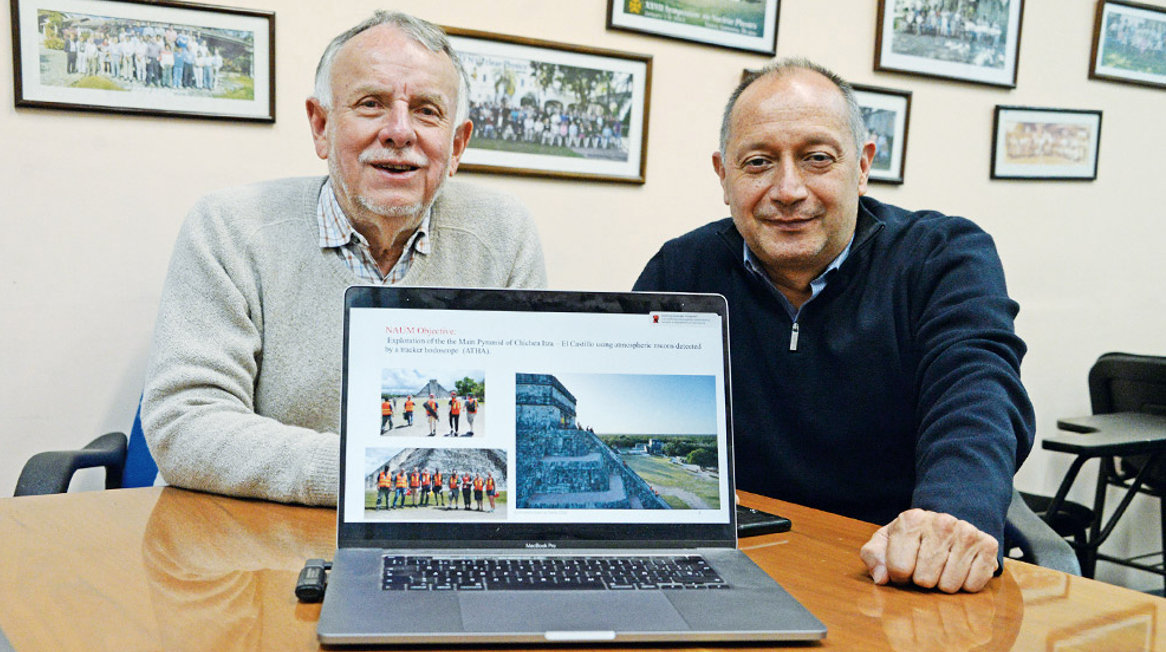
Arturo and Edmundo interview appears in media in Mexico: https://www.gaceta.unam.mx/exploraran-las-entranas-de-la-piramide-de-kukulcan-en-chichen-itza/
-
Mark presented to the Chicago Archaeological Society April 28.
Chichen Itza January 2024
-
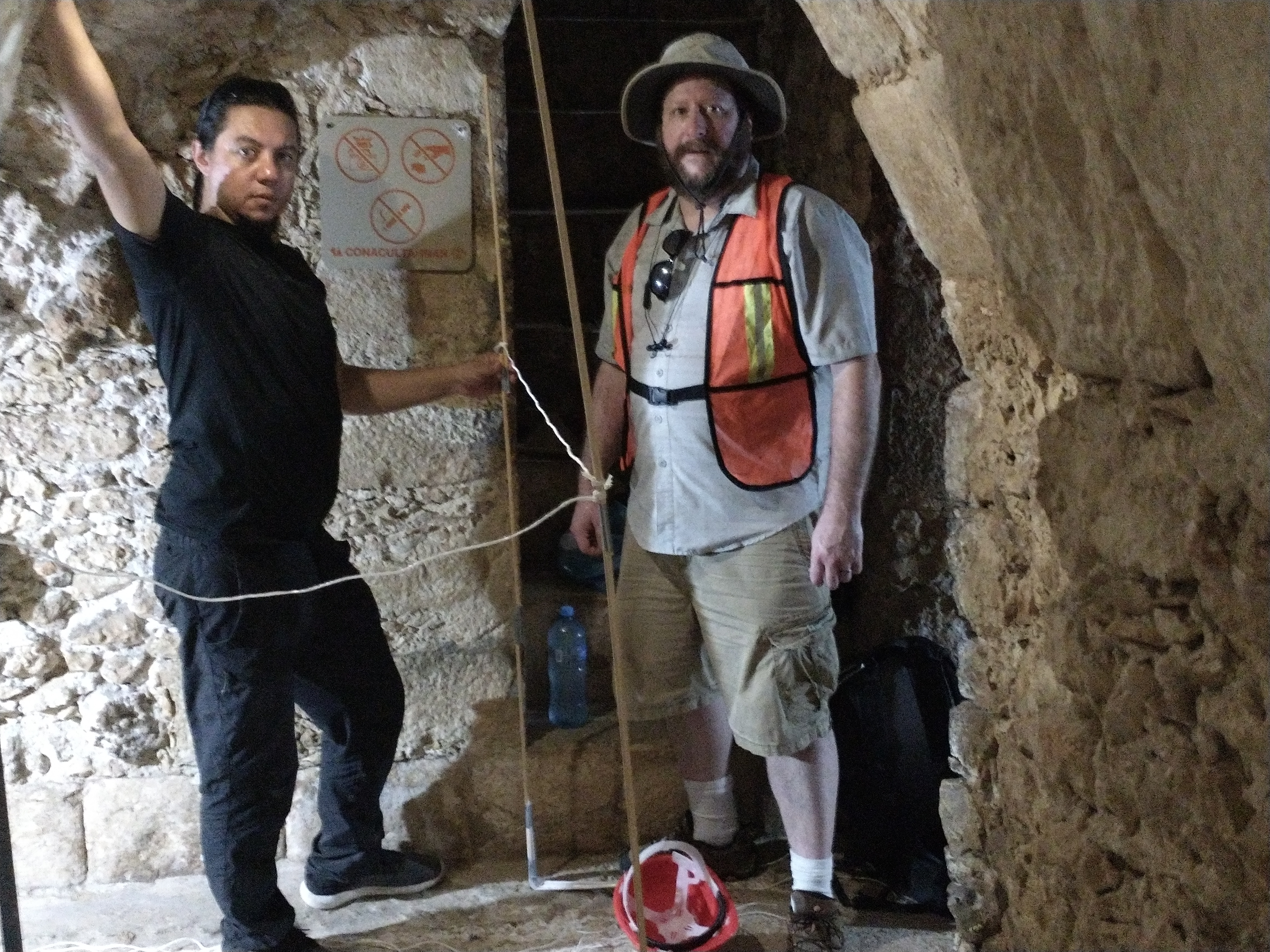
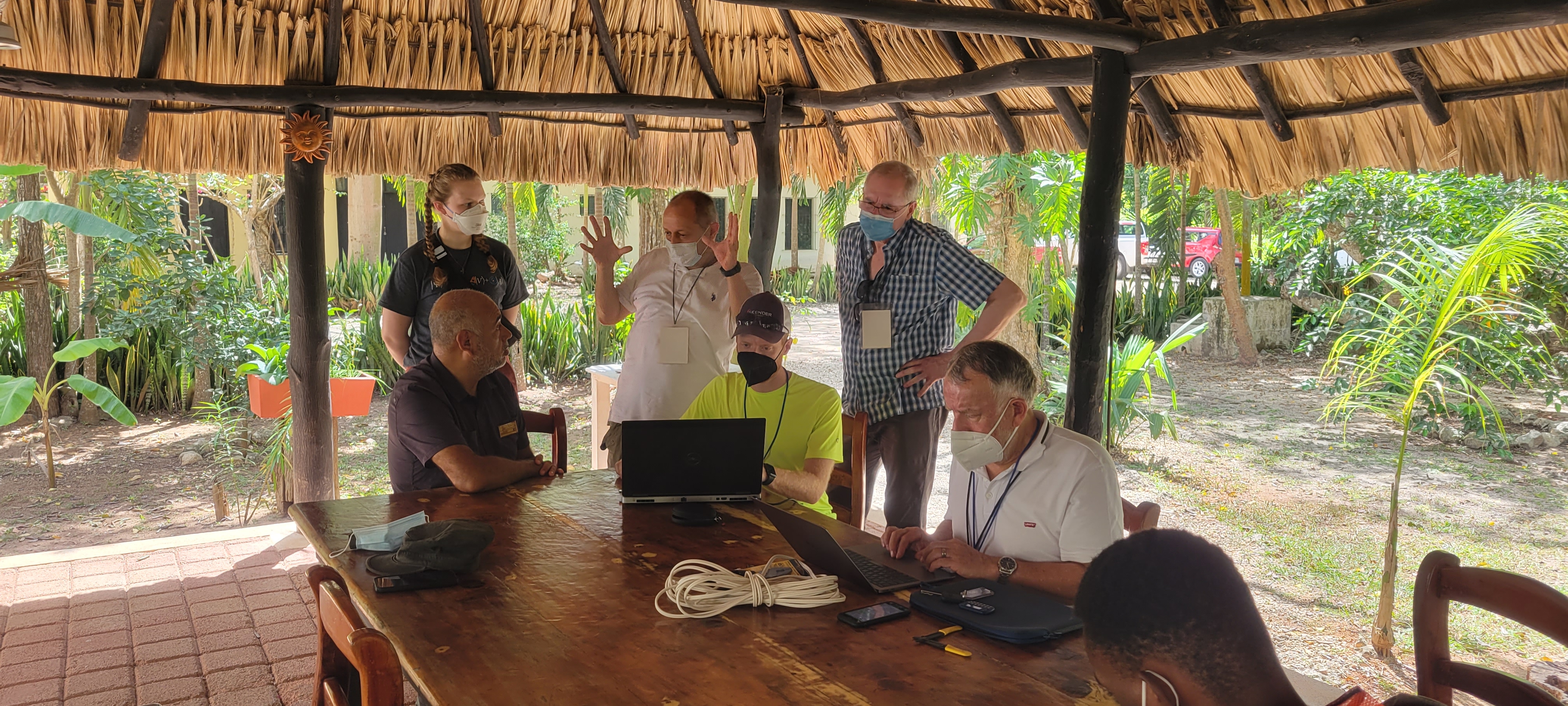
Met with new director of the Chichen Itza site; discussed running periods for data collection.
-
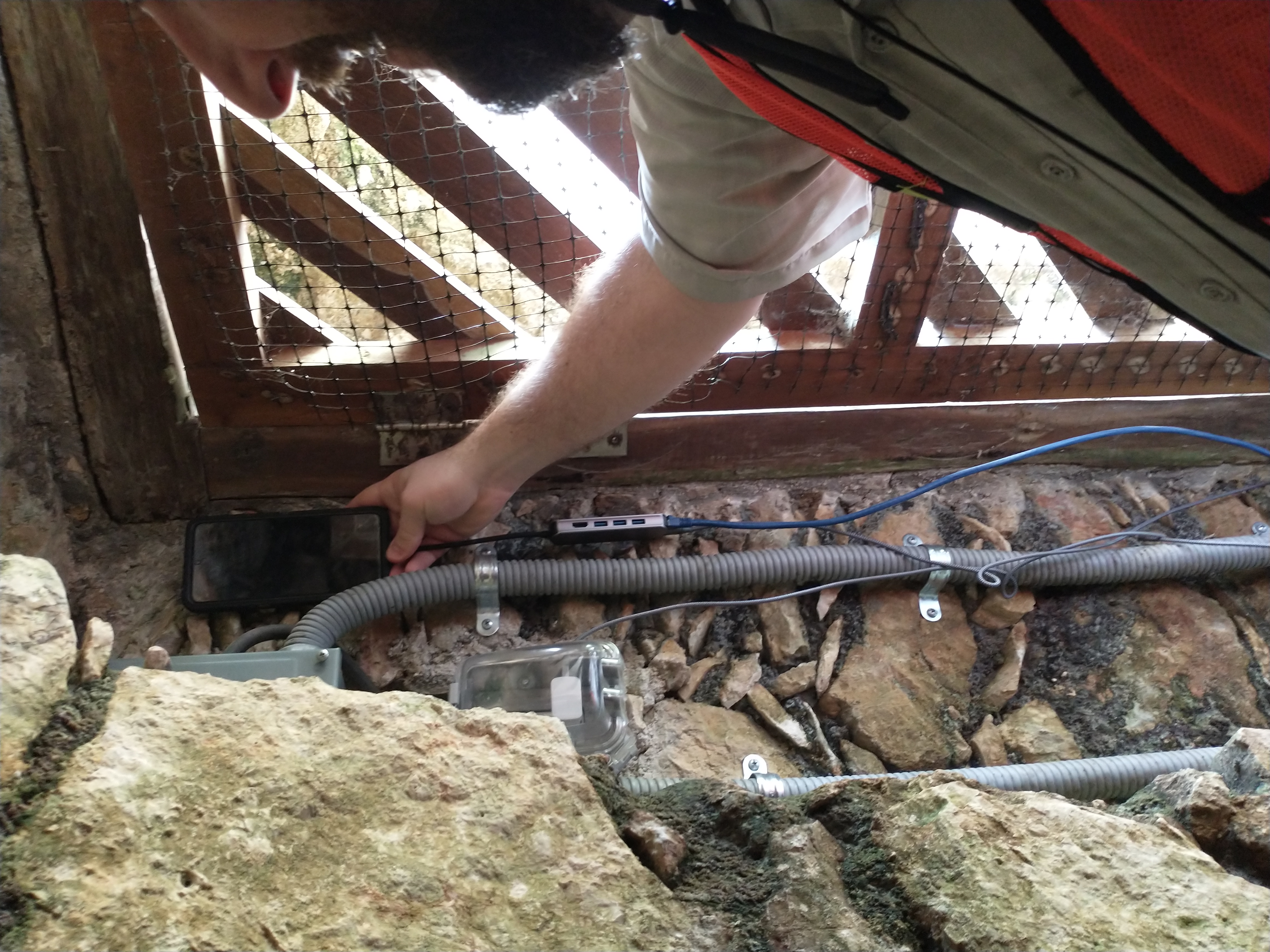
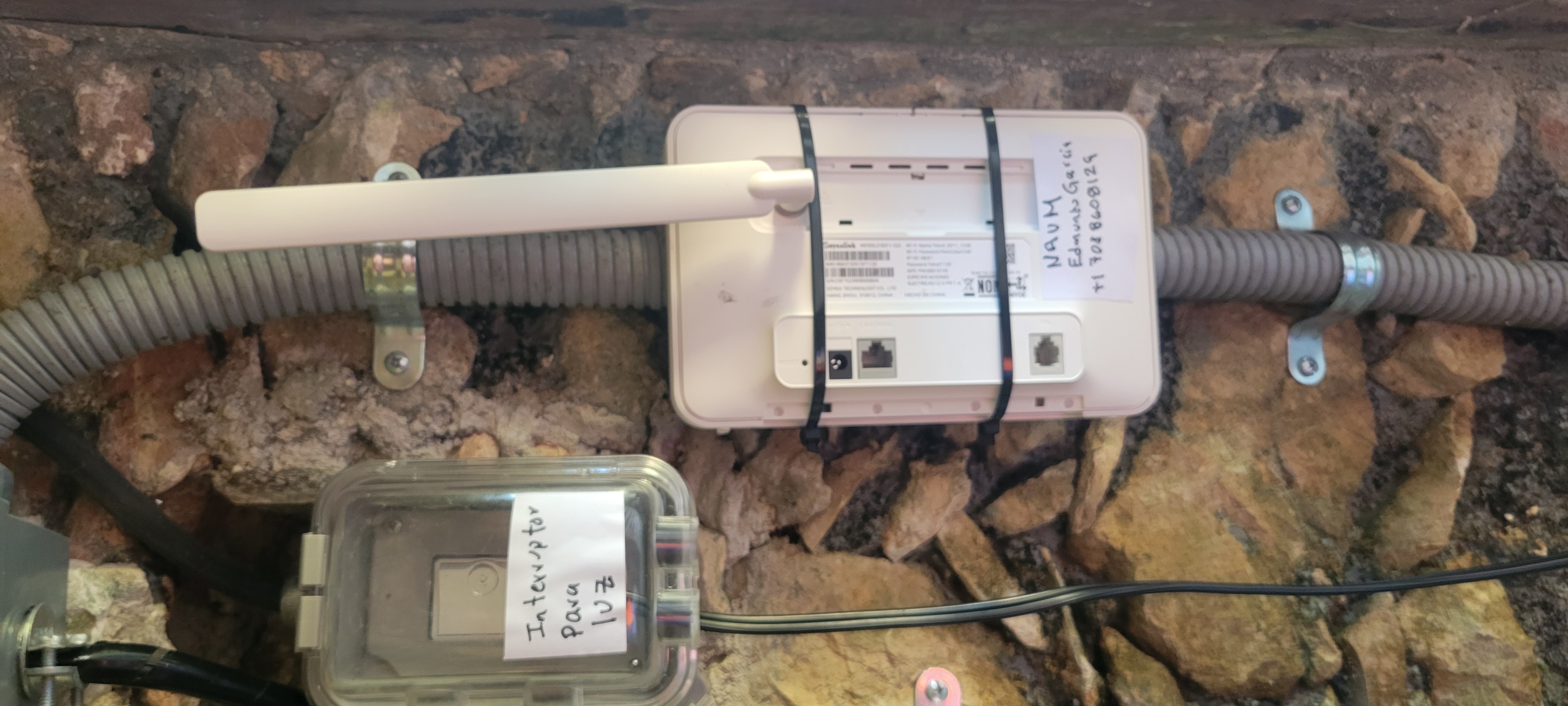
Tested data transfer rates with computer inside the pyramid using local phone hotspot.
-
Edmundo visited Arturo at UNAM; they gave interviews to university newspaper.
-
Assessed future electricity needs.

Fall 2023
-
Readout chain developed and tested at Dominican University .
-
Support frame for detector 1 completed.
Summer 2023
-
QuarkNet Interns at Fermilab built event displays, monitoring histogram, and website https://i2u2.org/elab/cosmic/pyramid-display/index.html.
-
Boxes to hold detector plates went through multiple mechanical designs fine-tuning sizes, light-tightness ,and access to electronics readout components.
Chichen Itza April 2023
-
Readout chain developed and tested at Dominican University .
-
Support frame for detector 1 completed.
-
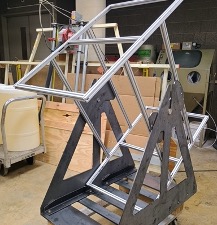
Design and construction of a frame to hold the 3 detector planes inside the tunnel finished.
-
Able to rotate and fold up to allow archaeologists to pass through the detector, since it will fill up the tunnel.
-
Additional cosmic ray data collected using a few prototype channels of the final detector.
Chichen Itza August 2022
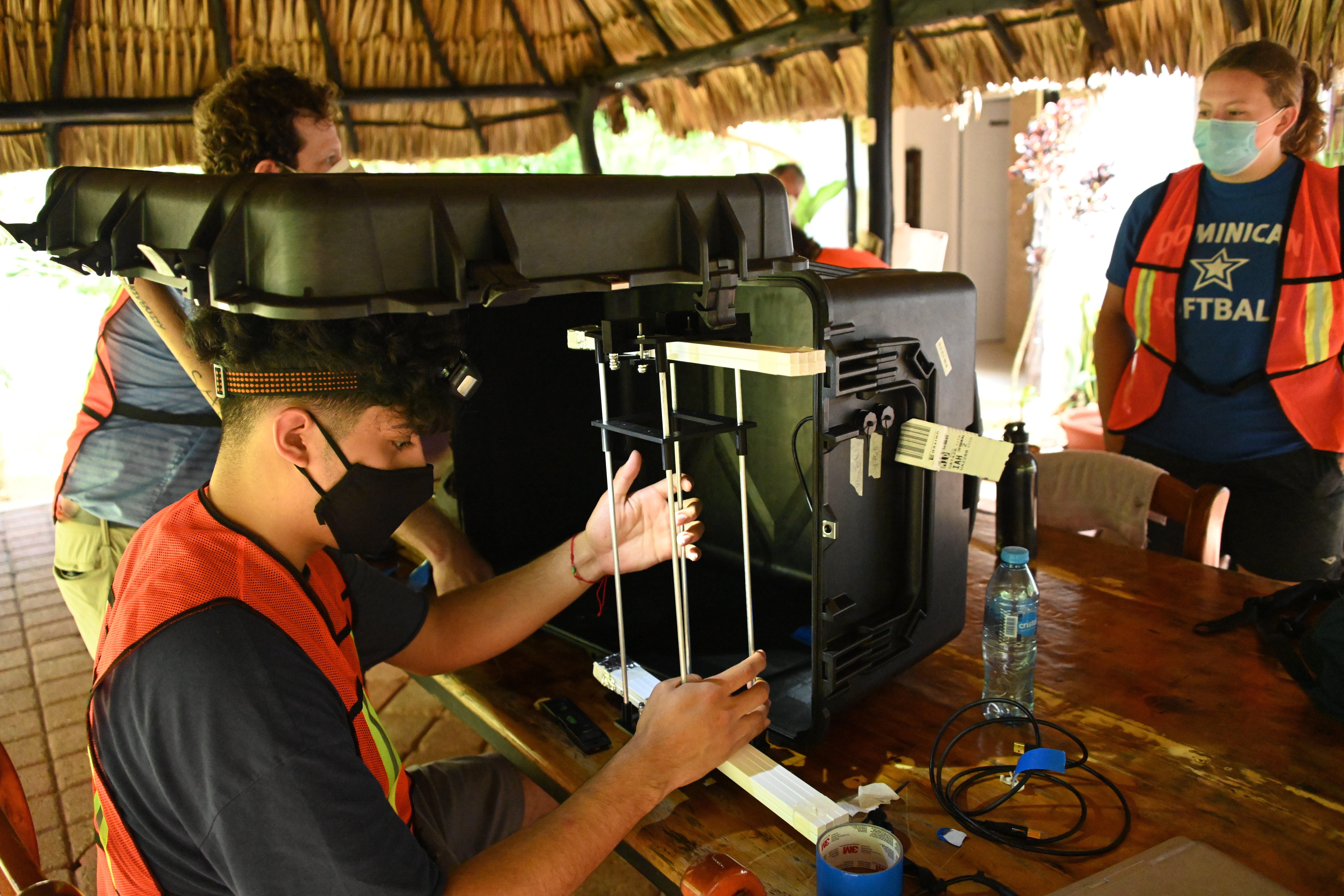
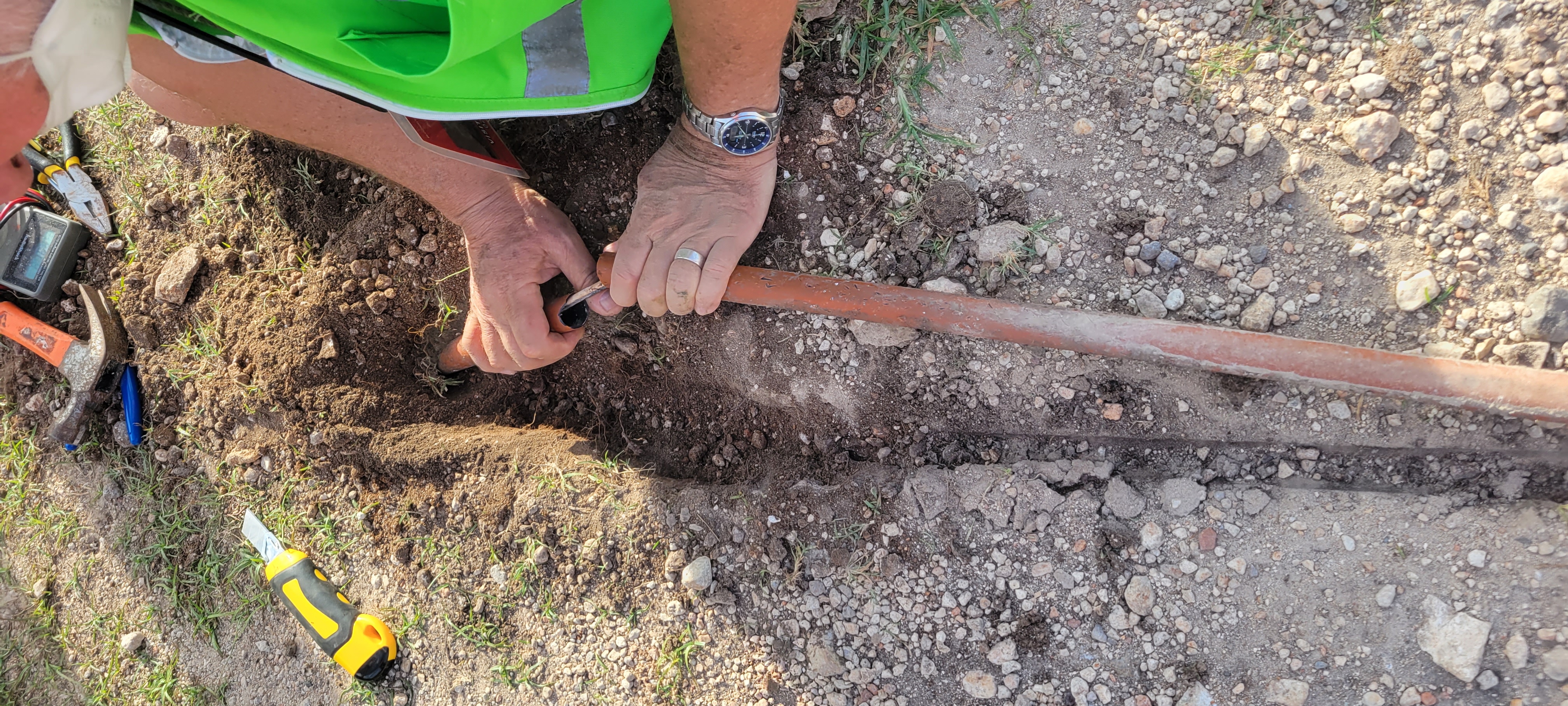
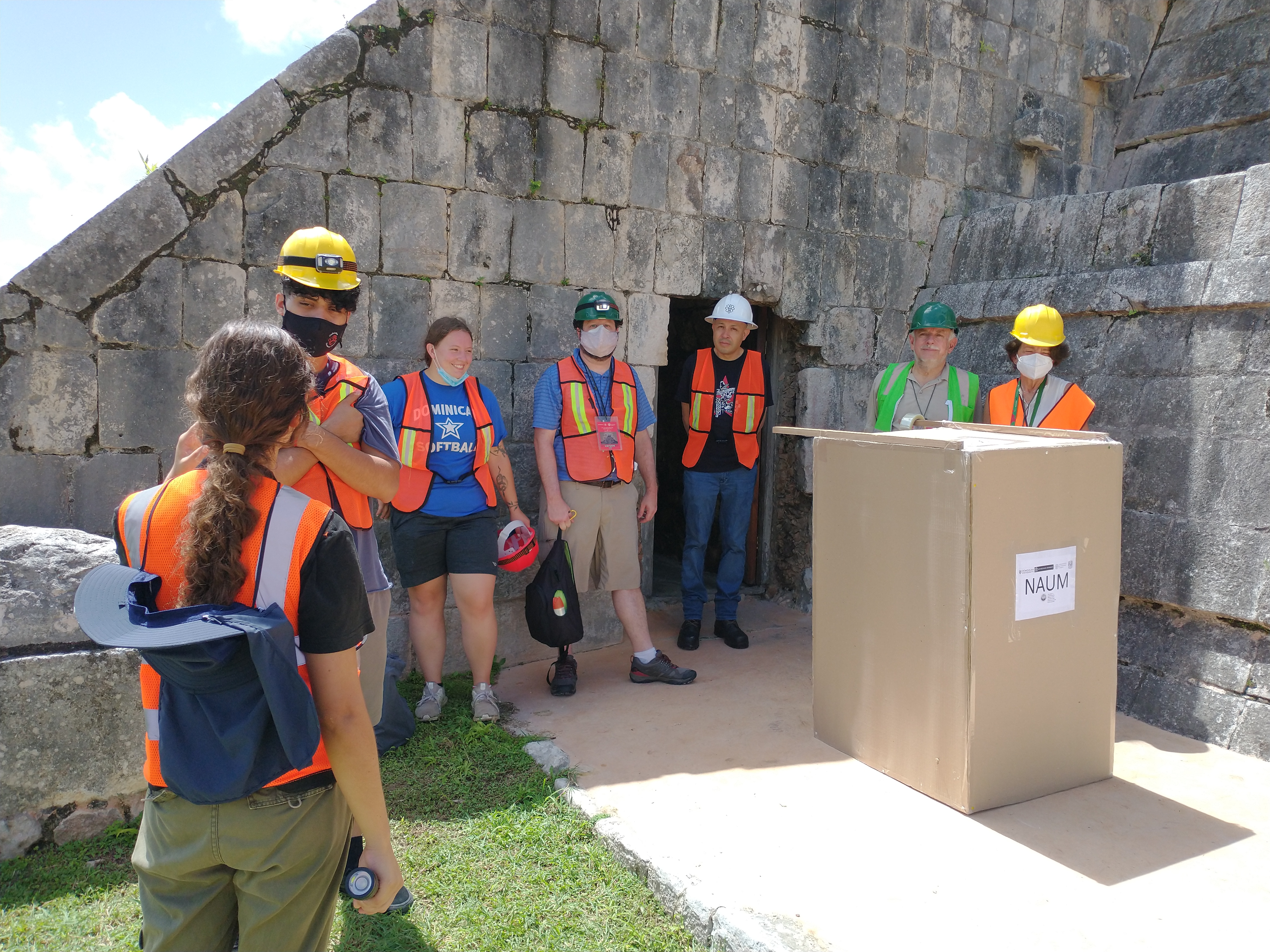
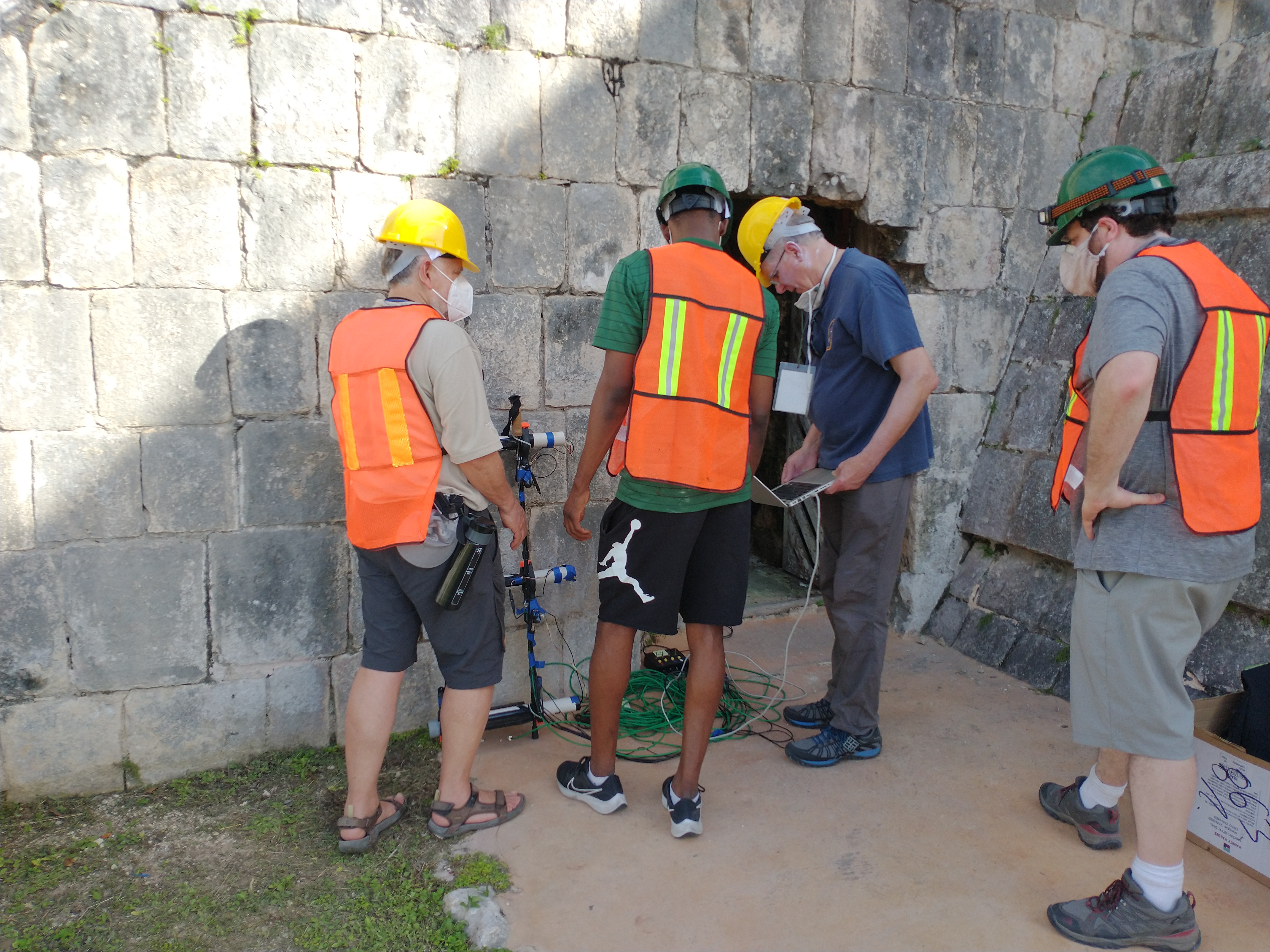
• Mockup of the detector and frame used to verify that everything fits and functions in the tunnels.
Not quite! Had to modify size of detector.

•
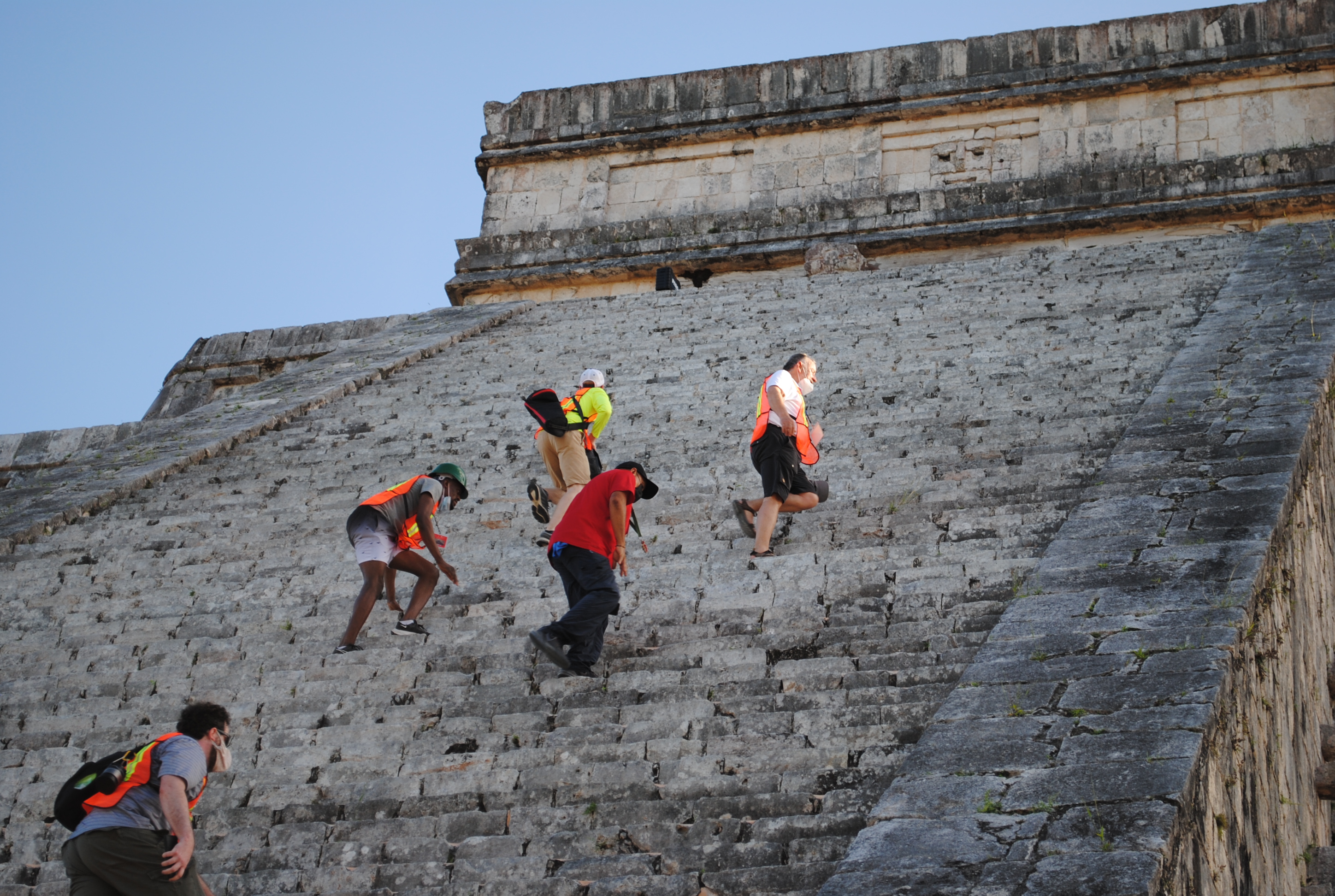
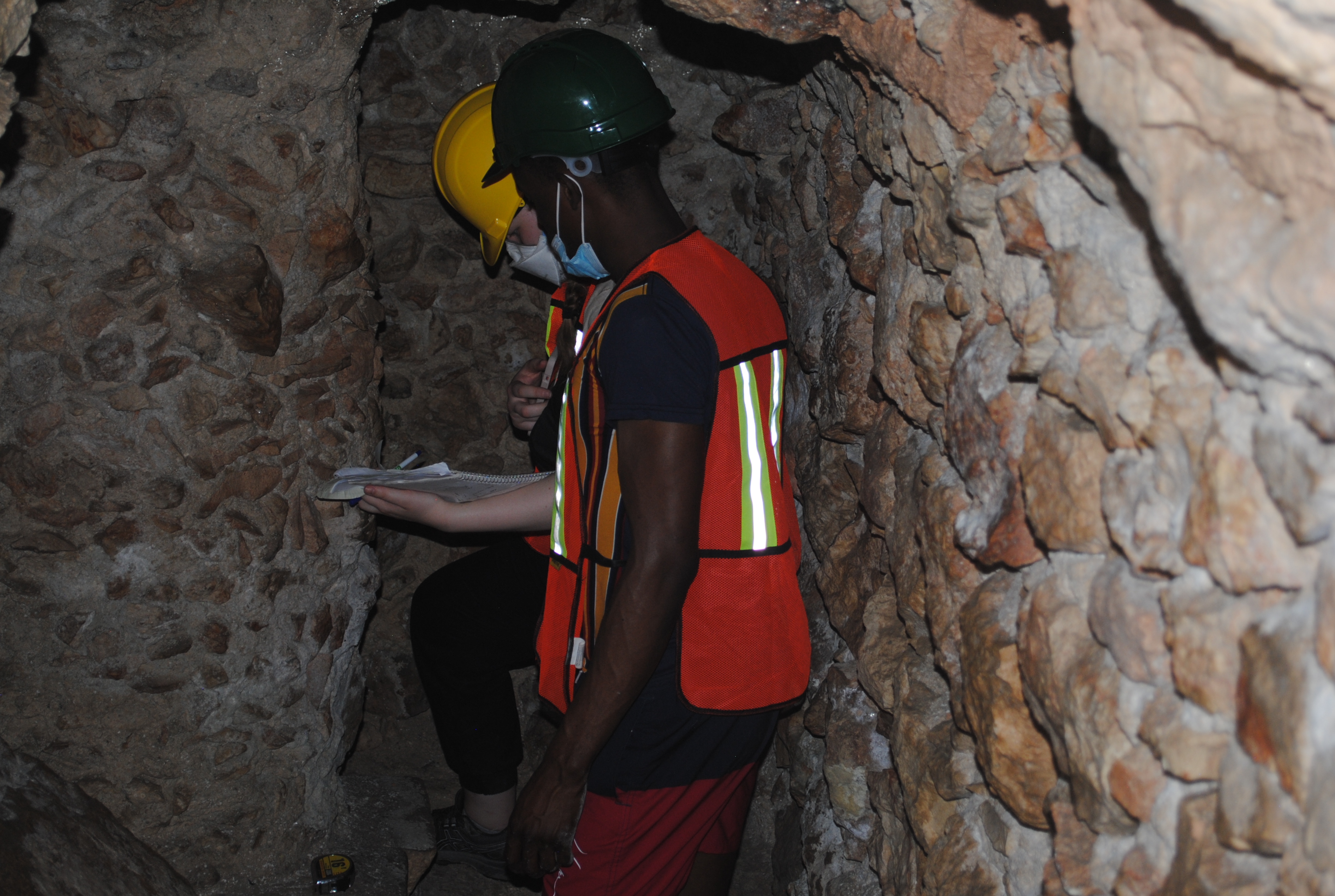
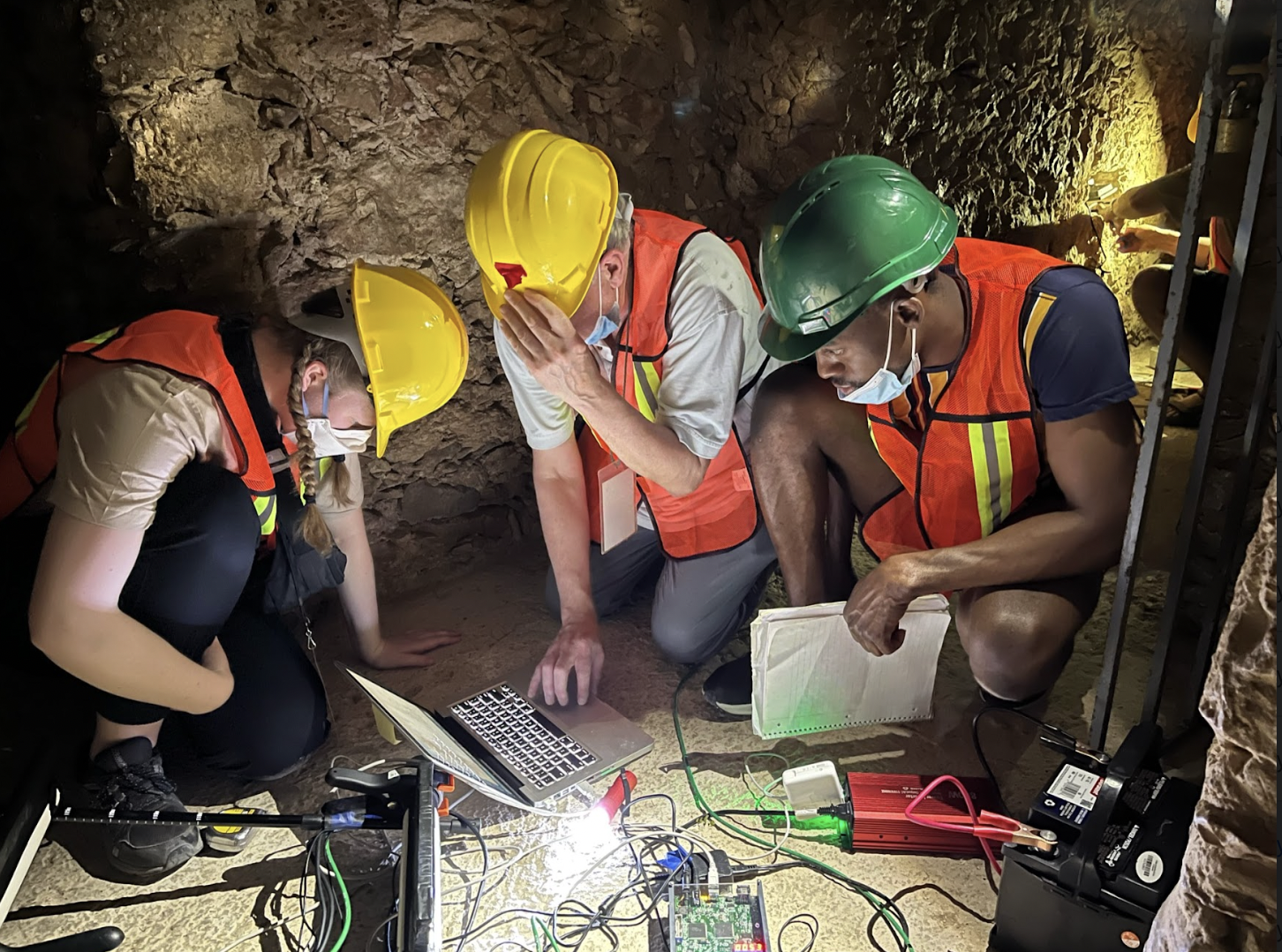
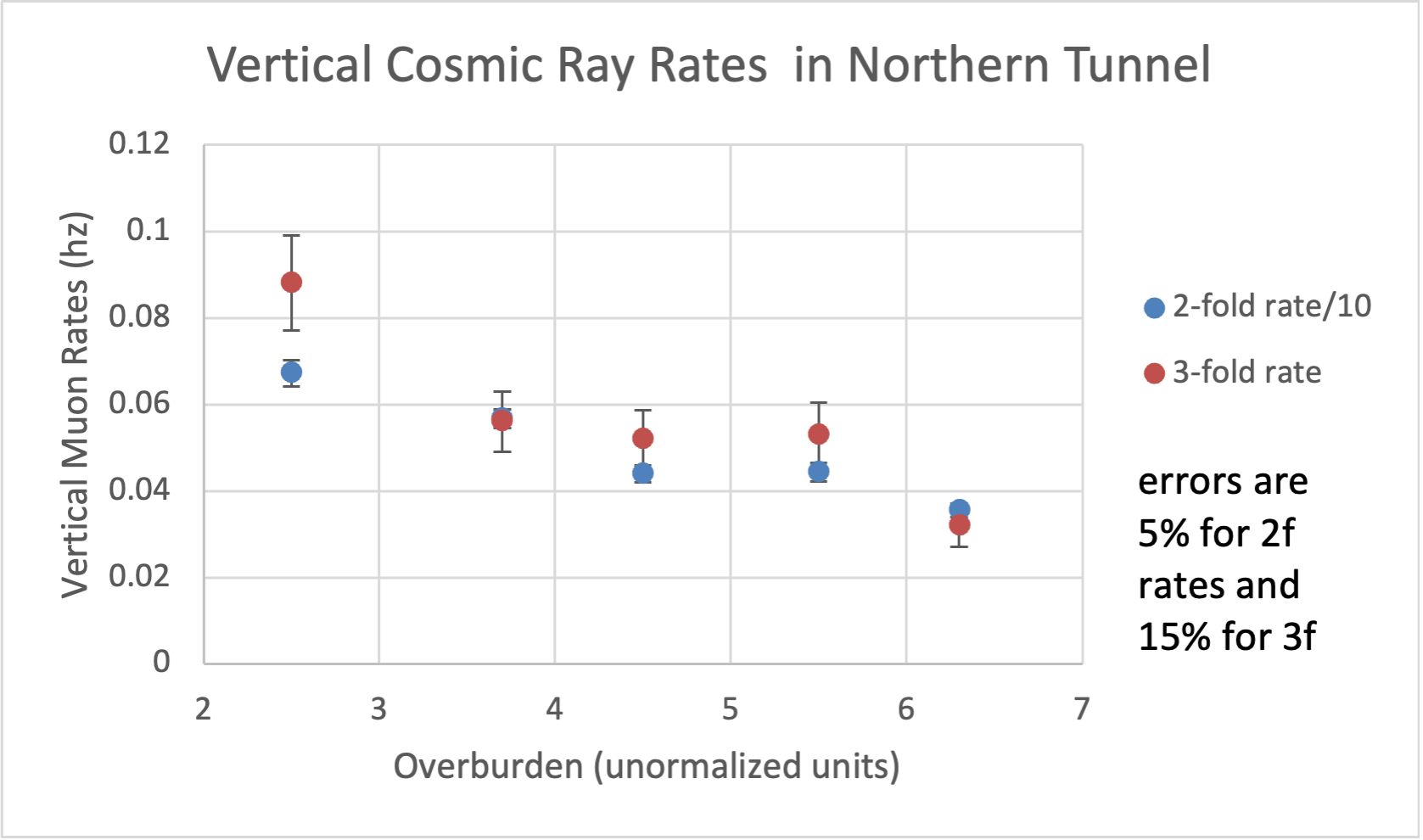
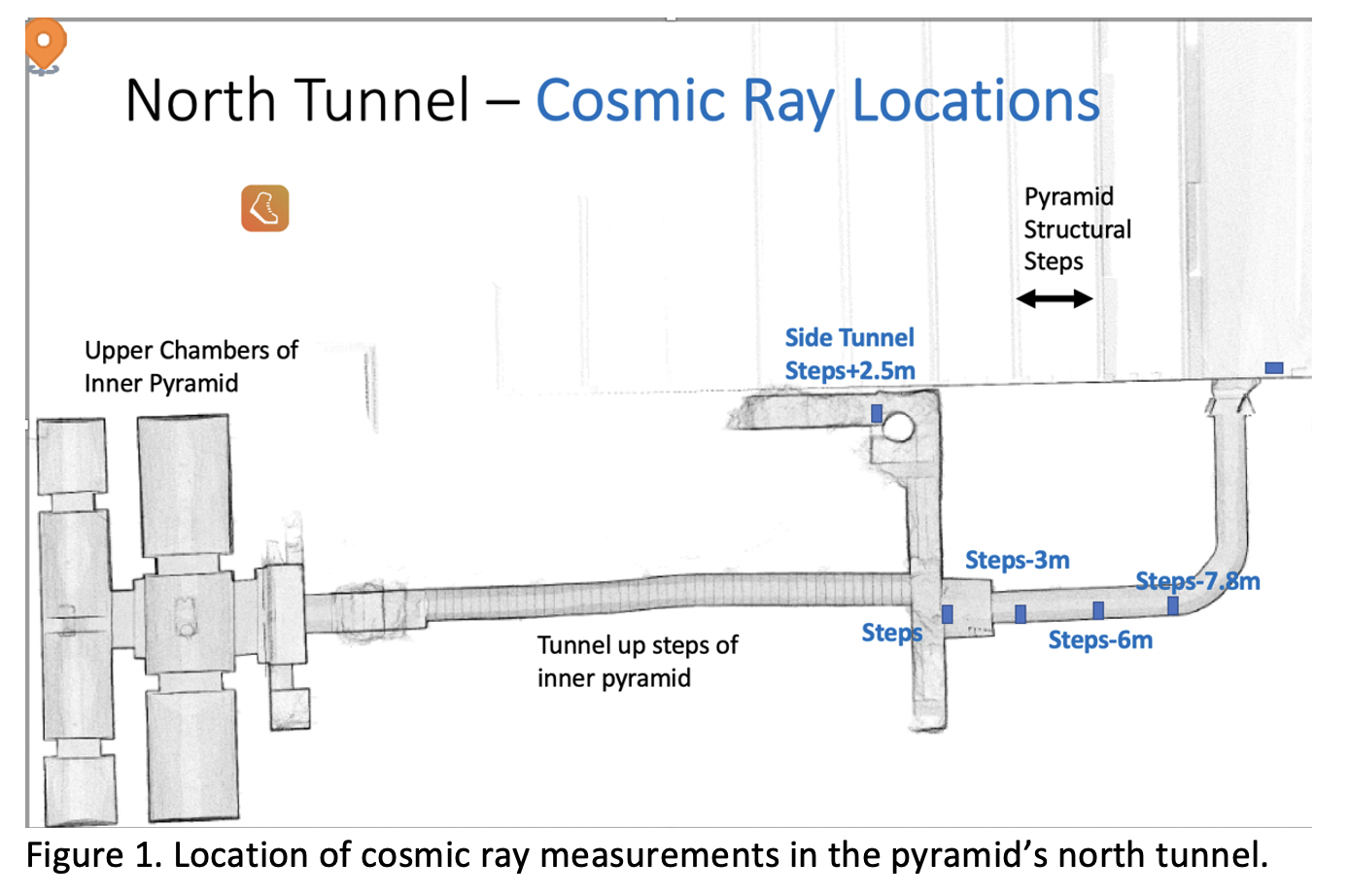
Cosmic ray data collected using QuarkNet detectors inside and outside the pyramid.
•
Rates agreed with expectations based on the amount of material above the detector.
•
Crudely imaged the pyramid steps above us.
•
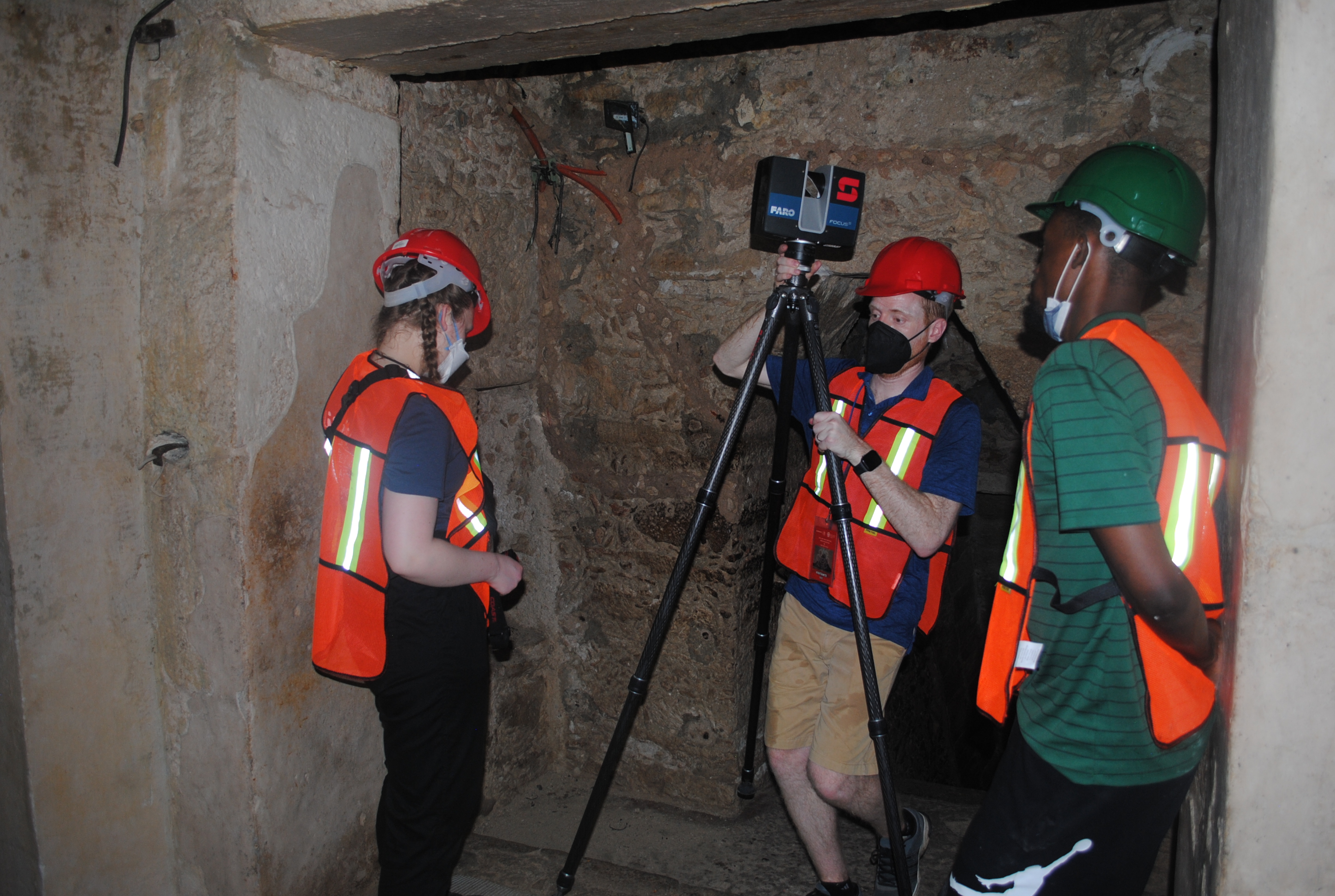
Laser mapped the inside of the pyramid tunnels and chambers.
•
Drone mapped the outside in order to have a complete model of the pyramid.
Chichen Itza March 2022
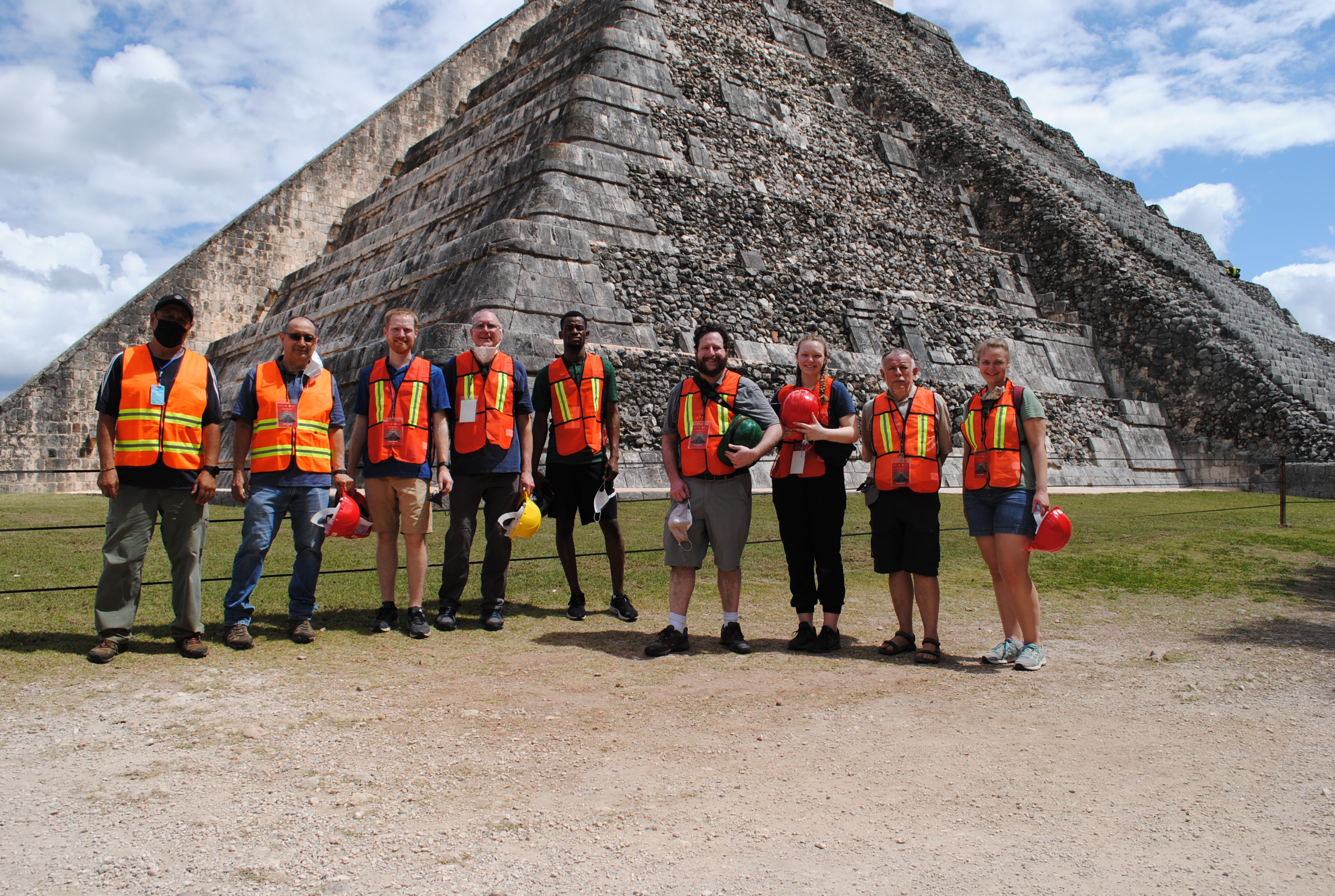
• Met archaeologists.
• Scinitillator extruded at Fermilab Lab 6; moved to CSU.
• Decided to use extruded triangular scintillator strips hence reducing the number of channels and allowing ourselves to build two detectors. Simplified some electronic boards from the readout designed by the Mu2e Collaboration at Fermilab. Joined efforts with Fermilab-UC-UVA group hoping to build a detector for use at Egyptian pyramids: designed electronics and mold for extrusions.
2020
• NSF approval.
• Additional simulation studies and cosmic ray background studies.
2019